Póngase en contacto con la empresa Aubrik

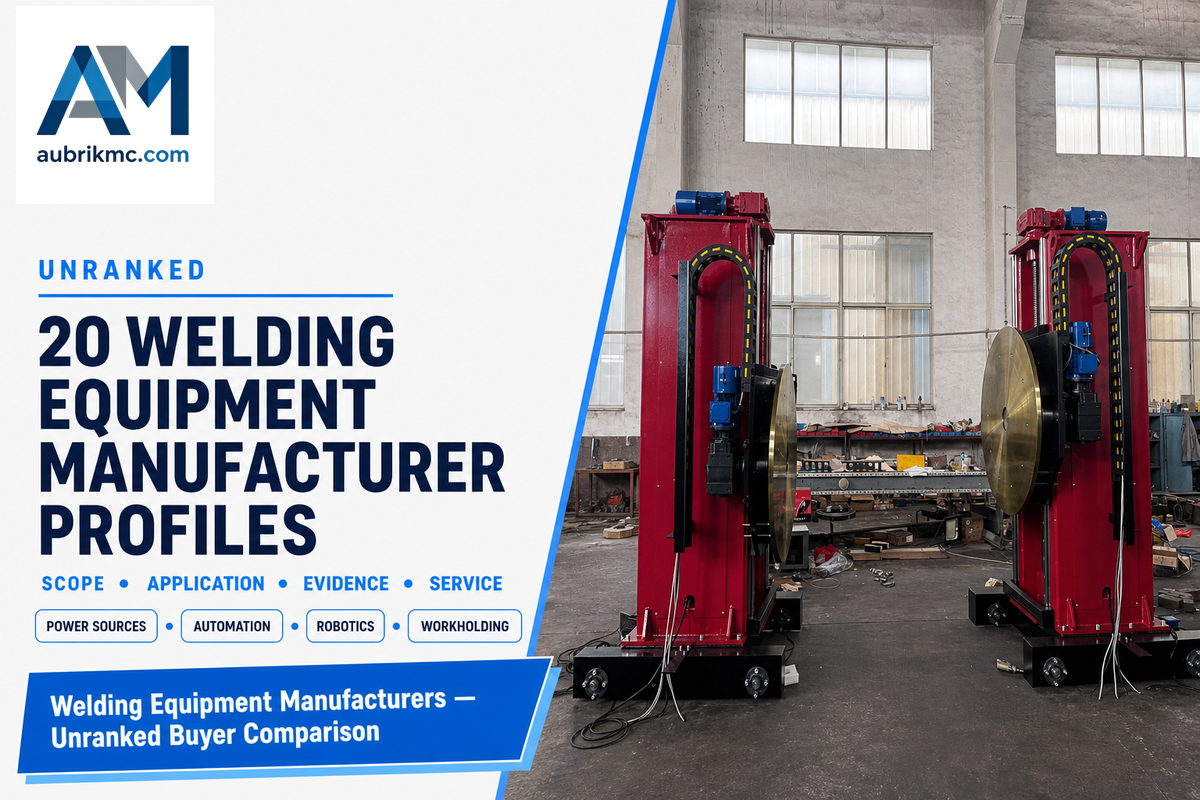
Esta lista es una lista corta para búsqueda de proveedores, no una clasificación universal. Compare cada fabricante de equipos de soldadura según su línea de productos, la evidencia disponible en su sitio oficial, su cobertura de servicio, el alcance de integración y la compatibilidad con su proceso antes de considerar su inclusión como una recomendación de compra. Antes de ponerse en contacto con un proveedor, registre la envolvente de la pieza de trabajo, el proceso, el factor de trabajo, los límites de seguridad y la región de servicio posventa que necesita cubrir.
Nota sobre el orden
Nota: Aubrik aparece primero por indicación del solicitante. Las otras 19 empresas se presentan sin un orden específico. La inclusión no significa que cada empresa fabrique equipos para todos los procesos de soldadura, todos los componentes o todas las celdas completas.
No existe una única clasificación pública y actualizada que combine de manera justa fuentes de poder para soldadura, consumibles, sistemas de corte, fuentes láser, robots industriales, equipos de sujeción de piezas y automatización llave en mano. En este caso, “principales” significa que vale la pena evaluarlos para una categoría de abastecimiento pertinente, no que tengan los mayores ingresos, producción, calidad o participación de mercado. Las páginas de las empresas se verificaron mediante Firecrawl, y los datos faltantes siguen marcados para que el proveedor los confirme.
Frases de búsqueda como “fabricantes de equipos de soldadura de Estados Unidos”, “mejores fabricantes de equipos de soldadura”, “fabricantes de equipos de soldadura por arco” y “5 principales marcas de máquinas de soldar” suelen agrupar tipos de proveedores que no son comparables. Esta guía diferencia esas funciones antes de comparar las empresas.
Si su proyecto se centra en el movimiento y la automatización de piezas de trabajo pesadas, comience por el alcance de los equipos industriales de soldadura de Aubrik y después consulte sus posicionadores de soldadura, rodillos viradores, manipuladores de soldadura de columna y brazo y sistemas de soldadura robotizada. Esos enlaces describen la oferta propia de Aubrik; no demuestran que fabrique todas las fuentes de poder para soldadura ni todos los consumibles utilizados en un sistema terminado.
Cómo evaluamos a los fabricantes de equipos de soldadura
Los requisitos de AWS B2.1 para la calificación de procedimientos y del desempeño ilustran el límite de la evidencia aplicado aquí: la calificación para una aplicación no demuestra la posición comparativa de un fabricante. El método también distingue las responsabilidades del vendedor legal, del fabricante del equipo, del integrador y de las calificaciones que corresponden al empleador, por lo que un nombre conocido no sustituye las pruebas específicas del pedido.
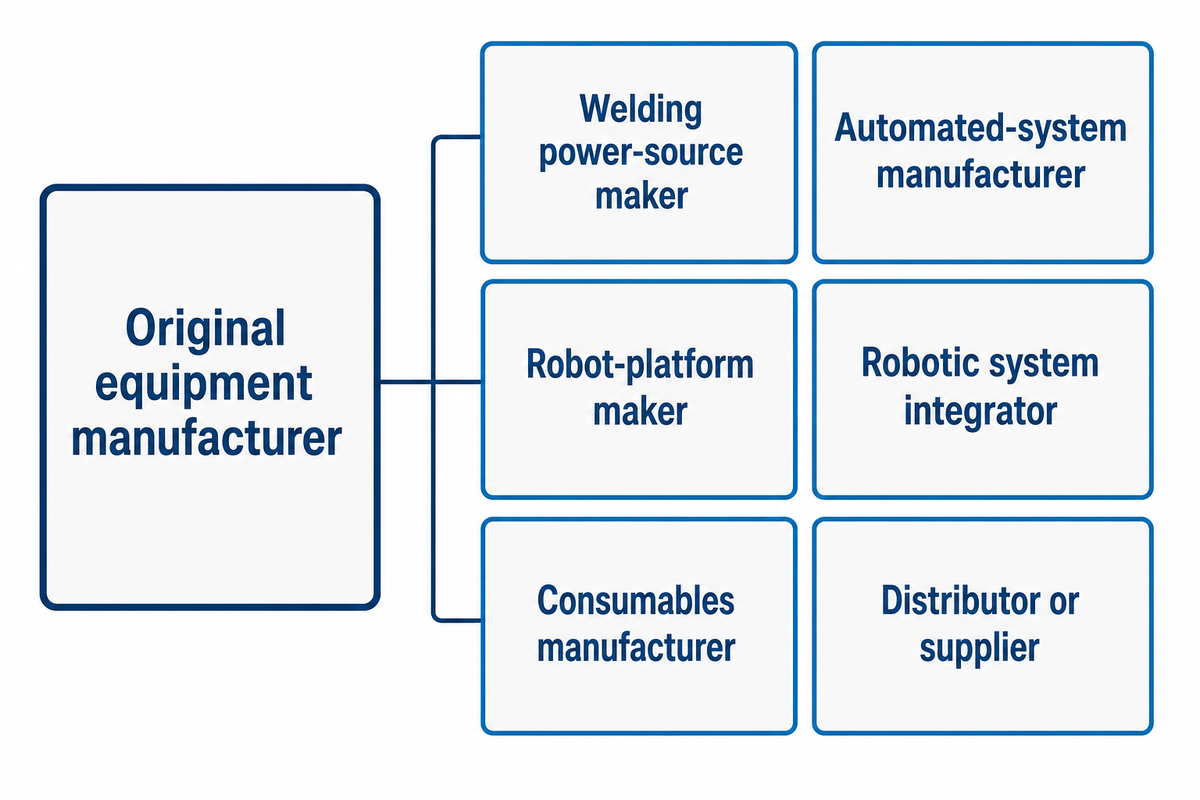
La primera tarea consiste en hacer visibles las diferencias entre proveedores. Un nombre conocido puede corresponder a un fabricante de equipo original, una empresa de tecnología especializada, una plataforma robótica, un integrador de sistemas o un distribuidor. La clasificación es una medida de transparencia, no una regla impuesta por una norma de soldadura ni un sustituto de la calificación técnica.
| Identidad del proveedor | Lo que normalmente controla | Lo que el comprador no debe suponer |
|---|---|---|
| Fabricante de equipo original | Diseño y producción de familias de equipos específicas | Que todos los componentes, procesos o modelos se fabriquen internamente |
| Fabricante de fuentes de poder para soldadura | Generación del arco, control de la forma de onda, alimentadores y paquetes de procesos | Que también sea responsable de los dispositivos de sujeción, robots, protecciones y producción final de la celda |
| Fabricante de sistemas automatizados | Sujeción de piezas, movimiento, controles y módulos de producción diseñados a medida | Que el alcance cotizado incluya la fuente de poder para soldadura y el desarrollo del procedimiento |
| Fabricante de plataformas robóticas | Robot industrial, controlador, software de movimiento e interfaces del ecosistema | Que un brazo robótico sea una celda de soldadura puesta en servicio |
| Integrador de sistemas robotizados | Selección e integración de subsistemas de terceros | Que haya fabricado la fuente de poder para soldadura, el robot industrial o la antorcha de soldadura |
| Fabricante de consumibles | Experiencia en alambre de soldadura, electrodos, fundentes y metales de aporte | Que fabrique los bienes de capital utilizados con ellos |
| Distribuidor o proveedor | Inventario local, marcas agrupadas, servicio y acceso comercial | Que un catálogo demuestre la fabricación original o la autoridad de servicio mundial |
Para cada empresa, buscamos una página oficial y vigente de productos o de la empresa, usamos reseñas históricas oficiales o material corporativo para las fechas cuando estaba disponible y diferenciamos la empresa legal de su matriz, unidad regional o división de productos. No convertimos las afirmaciones propias de liderazgo, los volúmenes históricos de producción, los logotipos de certificados ni las estimaciones de informes de mercado en pruebas comparativas.
Su lista final aún necesita pruebas específicas del pedido. La compatibilidad con el proceso y el material, el factor de trabajo a la potencia requerida, los servicios auxiliares, la masa y el centro de gravedad de la pieza de trabajo, los dispositivos de sujeción, la detección, la extracción, las protecciones, la calificación del procedimiento y del operador, la seguridad de los equipos conectados, la capacitación, las refacciones y la aceptación en planta pueden cambiar el resultado. Los perfiles siguientes indican qué debe investigar; no sustituyen una soldadura de muestra ni un plan de aceptación en fábrica.
Nota sobre el lenguaje de búsqueda: los compradores pueden buscar los “10 principales”, las “principales marcas”, las “marcas de máquinas de soldar”, los proveedores de “soldadura global” o una lista “mundial” de equipos. Esas frases suelen mezclar maquinaria de soldadura, suministros de soldadura, equipos y accesorios, y fabricación original. Asimismo, “líder mundial”, “pionero”, “innovación”, “robusto”, “confiable”, “alta calidad” y “alto desempeño” son expresiones comerciales comunes, no pruebas aceptadas. Las referencias a Miller® identifican una marca, no una calificación independiente.
La lista técnica final debe ser más precisa. Un comprador que compare una máquina de soldar MIG, una máquina de soldar multiproceso o una unidad TIG de CC o TIG de CA debe indicar si requiere control de pulsos, alimentadores de alambre, un cortador de plasma, soldadura con alambre tubular y procedimientos para acero al carbono. Un cortador y una fuente de poder para soldadura no son intercambiables. Las descripciones “servicio pesado”, “servicio industrial pesado” y otras similares también requieren condiciones nominales, pruebas y un plan de servicio.
Resumen de 20 fabricantes
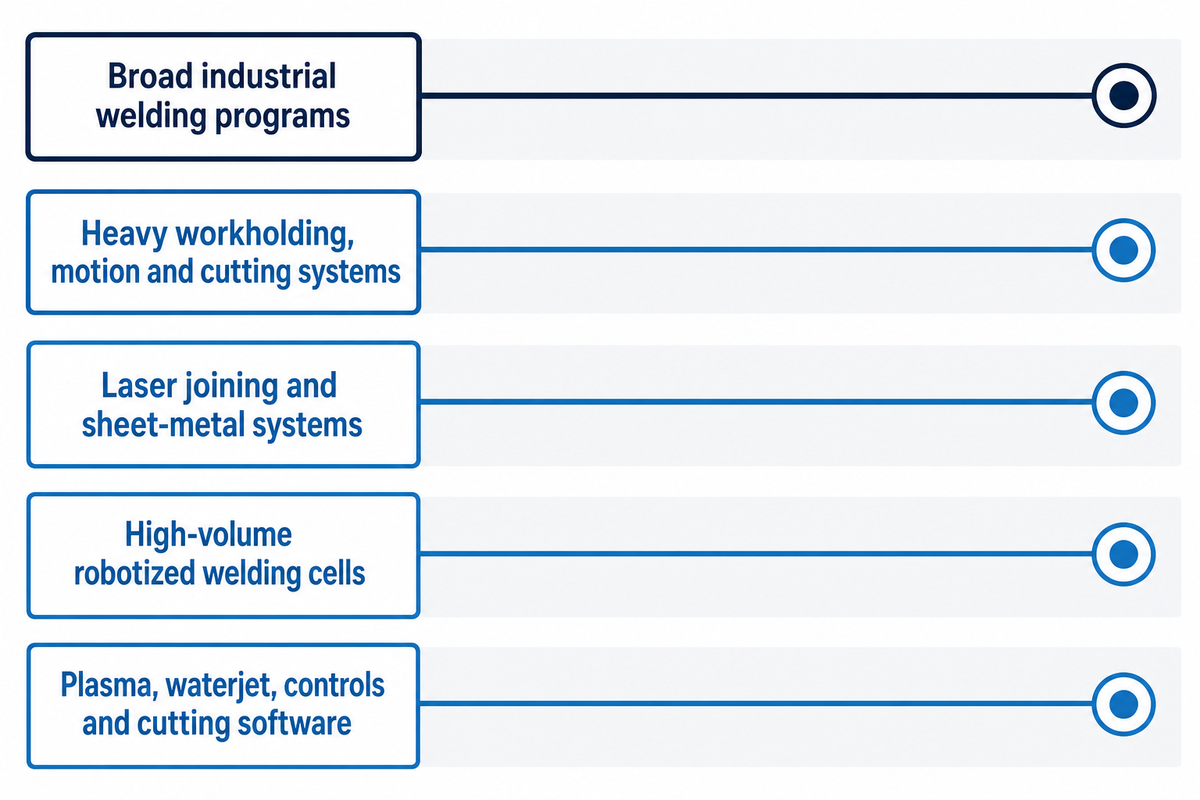
La matriz diferencia las funciones de los proveedores antes de comparar precios. Los requisitos de OSHA sobre ventilación para soldadura se consideran evidencia de seguridad, no un indicador para clasificar marcas.
| # | Empresa | Tipo de fabricante | Categoría de abastecimiento más adecuada | Primera verificación del comprador |
|---|---|---|---|---|
| 1 | Aubrik | Fabricante y proveedor de automatización y equipos de sujeción de piezas | Posicionamiento, rotación, manipulación y líneas diseñadas a medida | Confirme la fuente de poder para soldadura, los controles y el alcance de aceptación incluidos exactamente |
| 2 | Lincoln Electric | Fuentes de poder para soldadura, consumibles, corte y automatización | Programas amplios de soldadura industrial | Especifique la familia de productos, la planta y el responsable de la integración |
| 3 | Miller Electric | Marca de equipos de soldadura por arco perteneciente a ITW | Soldadura por arco en taller, en campo y automatizada | Compare la potencia nominal en las mismas condiciones |
| 4 | ESAB | Equipos, consumibles, corte y automatización | Abastecimiento para múltiples procesos y plantas | Identifique la marca o entidad real de ESAB y el alcance del servicio local |
| 5 | Fronius | Fuentes de poder y sistemas digitales para soldadura por arco | Soldadura por arco manual, robotizada y automatizada | Valide el paquete de procesos, el acceso a los datos y el soporte regional |
| 6 | Kemppi | Fuentes de poder para soldadura por arco y herramientas digitales | Paquetes de soldadura por arco, desde portátiles hasta robotizados | Verifique el servicio local y las condiciones del software |
| 7 | OTC DAIHEN | Fabricante de fuentes de poder para soldadura y plataformas robóticas | Soldadura por arco robotizada e integrada | Defina si la cotización corresponde a un paquete robótico o a una celda completa |
| 8 | Panasonic Connect Welding Systems | Unidad de negocio de robots de soldadura y fuentes de poder para soldadura | Sistemas de robots industriales para soldadura por arco estrechamente integrados | Confirme la disponibilidad regional y el soporte de la unidad de negocio |
| 9 | CLOOS | Fabricante de fuentes de poder para soldadura, robots industriales y sistemas automatizados | Celdas y líneas robotizadas diseñadas a medida | Defina el alcance de los dispositivos de sujeción, la detección, la seguridad y la puesta en servicio |
| 10 | EWM | Fabricante de fuentes de poder para soldadura por arco | Procesos industriales de soldadura por arco e interfaces de automatización | Verifique los socios de automatización y servicio ofrecidos |
| 11 | Lorch | Fabricante de fuentes de poder para soldadura por arco | Soldadura manual, mecanizada, con cobot y con robot industrial | Confirme el modelo, factor de trabajo, interfaz y cobertura geográfica del soporte |
| 12 | Migatronic | Fabricante de equipos de soldadura por arco | Fabricación general y soldadura por arco automatizada | Confirme la autorización del distribuidor, las refacciones y el tiempo de respuesta |
| 13 | JASIC | Marca de fuentes de poder para soldadura con inversor | MIG/MAG, TIG, MMA, plasma y procesos relacionados | Verifique la entidad fabricante que respalda al vendedor regional |
| 14 | Hypertherm Associates | Especialista en tecnología de corte industrial | Plasma, chorro de agua, controles y software de corte | No confunda el alcance de corte con una oferta amplia de máquinas de soldar por arco |
| 15 | TRUMPF | Fabricante de láseres y máquinas herramienta | Sistemas de unión por láser y procesamiento de chapa metálica | Valide el material, la junta, la seguridad y el paquete de automatización |
| 16 | IPG Photonics | Fabricante de fuentes de láser de fibra y sistemas | Soldadura láser y procesamiento de materiales | Diferencie la fuente láser de la máquina o celda terminada |
| 17 | Yaskawa Motoman | Proveedor de plataformas robóticas y paquetes de aplicaciones | Automatización con robots industriales para soldadura por arco o por puntos | Identifique al integrador y al proveedor del proceso de soldadura |
| 18 | FANUC | Fabricante de plataformas de robots industriales | Celdas de soldadura robotizada de alto volumen | Confirme el software de aplicación, el integrador y la aceptación de la celda |
| 19 | KUKA | Plataforma de robots industriales y automatización | Automatización personalizada de soldadura robotizada | Identifique al responsable del paquete de procesos y de la validación de seguridad |
| 20 | Koike Aronson/Ransome | Fabricante de equipos de posicionamiento, corte y automatización | Sistemas de sujeción de piezas pesadas, movimiento y corte | Diferencie la historia de la matriz Koike de la unidad operativa ofrecida |
20 fabricantes de equipos de soldadura que debe evaluar
1. Aubrik
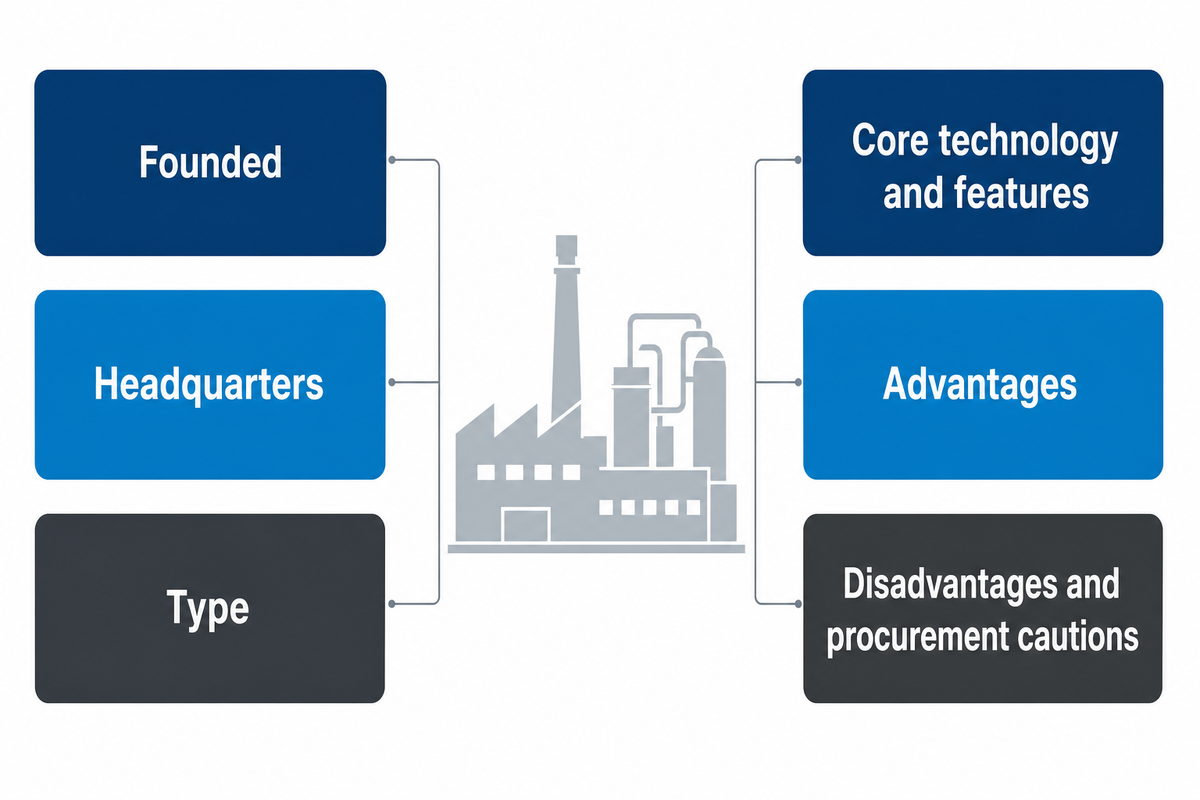
Fundación: 1999 (según la empresa) | Sede: Wuxi, Jiangsu, China (según la empresa) | Tipo: fabricante/proveedor de equipos de automatización de soldadura y sujeción de piezas dentro de su alcance documentado.
Aubrik presenta equipos utilizados para mover, posicionar y automatizar conjuntos soldados industriales. Su gama documentada incluye posicionadores de soldadura, rodillos viradores/rotadores de soldadura, manipuladores de soldadura de columna y brazo, sistemas de soldadura robotizada y líneas de producción diseñadas a medida. Entre las aplicaciones habituales se encuentran tanques y recipientes, tuberías, secciones de torres eólicas, vigas estructurales, calderas y otros conjuntos pesados de fabricación metalmecánica.
Tecnología y características principales: rotación, inclinación y posicionamiento controlados de la pieza de trabajo; recorrido coordinado del manipulador de soldadura; módulos de armado y ajuste y de manejo; configuración de celdas robotizadas; e integración de líneas específicas para cada proyecto. Ventajas: resulta útil cuando el cuello de botella es la presentación de la pieza, el acceso para soldar o el movimiento repetible de piezas pesadas, en lugar de limitarse a la fuente de poder para soldadura por arco. El portafolio ofrece a los compradores una sola vía para obtener varias capas mecánicas de una línea.
Desventajas y precauciones de compra: las páginas públicas no demuestran que Aubrik fabrique todas las fuentes de poder para soldadura, antorchas de soldadura, robots industriales o componentes de control utilizados en un sistema. Solicite la lista exacta de materiales, las marcas de los componentes, el cálculo de carga y centro de gravedad, la prueba del proceso, el alcance de los certificados aplicables, la prueba de aceptación en fábrica, la responsabilidad de instalación, la cantidad mínima de pedido, el plazo de entrega y el plan de servicio local. Considere que las declaraciones sobre capacidad y certificación son específicas de cada modelo y proyecto hasta que se revisen los documentos.
Sitio web oficial de Aubrik: https://aubrikmc.com/
2. Lincoln Electric
Fundación: 1895 | Sede: área de Cleveland, Ohio, Estados Unidos | Tipo: fabricante de fuentes de poder para soldadura, consumibles, equipos de corte y automatización.
Lincoln Electric cuenta con un amplio portafolio industrial que abarca equipos de soldadura por arco, metales de aporte, sistemas de corte y soluciones automatizadas. Su alcance puede ser adecuado para talleres de fabricación metalmecánica, transporte, infraestructura, energía, industria pesada y plantas que buscan fuentes de poder para soldadura y consumibles respaldados dentro de un mismo ecosistema técnico.
Tecnología y características principales: múltiples procesos de soldadura por arco, paquetes de formas de onda y alimentadores, equipos accionados por motor, combinaciones de consumibles y procesos, además de soluciones de corte y automatización. Ventajas: la amplia cobertura de aplicaciones, los recursos de capacitación y una red internacional pueden reducir la cantidad de interfaces comerciales para programas multiproceso.
Desventajas y precauciones de compra: la amplitud corporativa no significa que todos los productos se fabriquen en una sola planta ni que una sola entidad comercial sea responsable de una celda completa. Especifique el modelo, proceso, potencia de entrada, factor de trabajo nominal, alimentador/antorcha de soldadura, consumible, socio de automatización, condiciones del software, refacciones y ubicación del servicio. Para una celda diseñada a medida, indique quién es responsable de los dispositivos de sujeción, las protecciones, la extracción, la programación, el desarrollo del procedimiento y el desempeño final.
Sitio web oficial de Lincoln Electric: https://www.lincolnelectric.com/
3. Miller Electric
Fundación: 1929 | Sede: Appleton, Wisconsin, Estados Unidos | Tipo: marca de equipos de soldadura y fabricante de fuentes de poder para soldadura perteneciente a Illinois Tool Works.
Las categorías actuales de equipos de Miller abarcan máquinas de soldar por arco, sistemas accionados por motor, corte por plasma, productos de oxicombustible, calentamiento por inducción, sistemas de capacitación y equipos relacionados con la automatización. La marca suele evaluarse para aplicaciones de fabricación en taller, construcción, reparación en campo, manufactura y soldadura por arco automatizada.
Tecnología y características principales: plataformas MIG, TIG, de electrodo revestido y multiproceso, alimentadores, sistemas accionados por motor y accesorios coordinados. Ventajas: un amplio ecosistema de equipos y canales de soporte consolidados puede simplificar la estandarización donde el servicio de Miller sea sólido. Su material educativo también facilita la especificación de valores nominales como el factor de trabajo.
Desventajas y precauciones de compra: Miller es una unidad de negocio de ITW; el tamaño de la empresa matriz no debe confundirse con la idoneidad de un modelo específico. Compare los factores de trabajo después de normalizar las condiciones de potencia y temperatura ambiente, no solo por el porcentaje. Confirme las interfaces de automatización, las cuentas y actualizaciones de los equipos conectados, la entidad responsable de la garantía, la capacidad local de reparación y la disponibilidad de refacciones a largo plazo. Otra empresa puede suministrar el robot industrial o el posicionador de soldadura.
Sitio web oficial de Miller Electric: https://www.millerwelds.com/
4. ESAB
Fundación: 1904 en Gotemburgo, Suecia | Sede: no se indica en la página histórica revisada; confirme la entidad contratante | Tipo: grupo fabricante de equipos de soldadura, consumibles, equipos de corte y automatización.
El alcance histórico y actual de ESAB abarca equipos de soldadura, metales de aporte, antorchas de soldadura, productos de corte y automatización. El grupo puede ser pertinente para la fabricación general, la construcción naval, la energía, el transporte y otros sectores donde se evalúa conjuntamente la compatibilidad de los equipos y consumibles.
Tecnología y características principales: fuentes de poder para soldadura por arco y alimentadores, paquetes de procesos manuales y automatizados, corte por plasma/oxicombustible, antorchas de soldadura y numerosas familias de consumibles. Ventajas: la amplitud de procesos y las diversas marcas regionales pueden ofrecer a los compradores opciones en equipos y consumibles.
Desventajas y precauciones de compra: la estructura del grupo hace que sean importantes la entidad legal, la marca y la responsabilidad del soporte. Indique qué empresa de ESAB presenta la cotización, qué planta o canal suministra el modelo y quién le brinda soporte en el país de instalación. Verifique la potencia, el factor de trabajo, el software, la especificación de los consumibles, el alcance de los certificados, las refacciones y el tiempo de respuesta. Las quejas en foros pueden ayudar a identificar preguntas, pero no demuestran cuál será el resultado en otra región o con otro modelo.
Sitio web oficial de ESAB: https://www.esab.com/
5. Fronius
Fundación: 1945 | Sede: Pettenbach, Austria | Tipo: fabricante de fuentes de poder y sistemas digitales para soldadura por arco mediante la unidad de negocio Perfect Welding.
Fronius documenta soluciones de soldadura manuales, asistidas por robots industriales y automatizadas, además de antorchas de soldadura, accesorios y herramientas digitales. Su unidad de soldadura es una candidata para la fabricación exigente y la producción de automóviles y componentes, donde son importantes el control del proceso, las interfaces robóticas y el manejo de datos.
Tecnología y características principales: sistemas de procesos MIG/MAG, TIG y MMA, fuentes de poder para soldadura con control digital, paquetes robóticos, antorchas de soldadura y herramientas para datos de soldadura. Ventajas: la estrecha coordinación entre la fuente de poder para soldadura, el software de procesos y las interfaces de automatización puede ayudar a las plantas a estandarizar un paquete controlado de soldadura por arco.
Desventajas y precauciones de compra: la capacidad digital plantea preguntas sobre licencias, cuentas, redes, actualizaciones, respaldos y propiedad de los datos. Confirme qué funciones están incluidas, cuáles funcionan sin conexión, el formato de exportación, los permisos de acceso remoto, la capacidad regional de reparación y el soporte durante el ciclo de vida. Un paquete de procesos sólido todavía necesita responsables independientes para los dispositivos de sujeción, las protecciones, la extracción, la programación del robot industrial y la calificación del procedimiento que corresponde al empleador.
Sitio web oficial de Fronius: https://www.fronius.com/
6. Kemppi
Fundación: 1949 | Sede: Lahti, Finlandia | Tipo: fabricante de fuentes de poder para soldadura por arco y soluciones digitales.
Kemppi se describe como una empresa finlandesa de soldadura y ofrece máquinas de soldar, soldadura robotizada, pistolas y antorchas de soldadura, productos de seguridad y soluciones digitales. Su gama es adecuada para la fabricación en campo y en taller, la producción industrial y los sistemas de soldadura robotizada por arco.
Tecnología y características principales: fuentes de poder para soldadura por arco, controles de procesos, antorchas de soldadura, interfaces robóticas y herramientas de gestión de soldadura. Ventajas: la experiencia especializada en soldadura por arco y un ecosistema conectado de equipos y software pueden ser adecuados para plantas que buscan herramientas de procesos y documentación de una sola marca de soldadura.
Desventajas y precauciones de compra: confirme qué funciones digitales requieren suscripciones, cuentas o acceso a la red; quién es el propietario de los datos exportados; y cómo se gestionan las actualizaciones, los respaldos y la autenticación. La disponibilidad puede variar según la región. Verifique el factor de trabajo, la refrigeración, el paquete de antorcha de soldadura, el protocolo del robot industrial, la calibración/reparación local, los consumibles, la capacitación y las refacciones. No suponga que los productos de soldadura robotizada incluyen la celda robótica, las protecciones y los dispositivos de sujeción, a menos que la cotización los especifique.
Sitio web oficial de Kemppi: https://www.kemppi.com/
7. OTC DAIHEN
Fundación: 1919, con orígenes en Osaka Transformer Company | Sede: Osaka, Japón (empresa matriz DAIHEN) | Tipo: fabricante de fuentes de poder para soldadura y plataformas robóticas.
OTC DAIHEN combina equipos de soldadura manual con robots industriales para soldadura por arco y soluciones robotizadas diseñadas a medida. Ese alcance combinado es pertinente para componentes automotrices, fabricación general y plantas que buscan reducir las interfaces entre una fuente de poder para soldadura y su controlador robótico.
Tecnología y características principales: fuentes de poder para soldadura por arco, robots industriales específicos para soldadura, controladores robóticos y paquetes de aplicaciones integrados. Ventajas: una sola familia tecnológica para el robot industrial y el proceso de soldadura puede simplificar la comunicación, la transferencia de parámetros y el soporte, en comparación con una arquitectura compuesta totalmente por marcas diferentes.
Desventajas y precauciones de compra: las afirmaciones propias de liderazgo de mercado no se utilizan para establecer una clasificación. Confirme si la cotización regional abarca solo el equipo, un paquete de aplicaciones o una celda con protecciones completas y puesta en servicio. Identifique al integrador, al fabricante de los dispositivos de sujeción y al responsable de la extracción, la validación de seguridad, las soldaduras de muestra, la programación, la aceptación en planta, la capacitación y las refacciones a largo plazo. Verifique el alcance/carga útil del robot industrial y la geometría real de la pieza de trabajo, no solo la categoría del catálogo.
Sitio web oficial de OTC DAIHEN: https://www.daihen-usa.com/
8. Panasonic Connect Welding Systems
Fundación: no es una empresa independiente; la página de productos revisada no indica una fecha de fundación separada | Sede: no se divulga públicamente en la página revisada de productos de soldadura; deben confirmarse los datos de la empresa matriz/unidad de negocio | Tipo: unidad de negocio de robots de soldadura y fuentes de poder para soldadura perteneciente a Panasonic Connect.
Las páginas de soldadura de Panasonic Connect muestran robots industriales TAWERS con una fuente de poder para soldadura integrada y configuraciones de la serie G que utilizan una fuente separada. Esto hace que la unidad de negocio sea pertinente para celdas de los sectores automotriz, de transporte y de componentes fabricados donde es importante coordinar el control del robot industrial y del arco.
Tecnología y características principales: robots industriales para soldadura por arco, controladores robóticos, arquitecturas con fuentes de poder para soldadura integradas o separadas y paquetes de procesos relacionados. Ventajas: TAWERS puede reducir algunos límites de control al integrar las funciones robóticas y de soldadura en un sistema coordinado, mientras que las configuraciones con fuentes separadas conservan otras opciones de diseño.
Desventajas y precauciones de compra: la disponibilidad de productos, la cobertura de los integradores y el soporte pueden variar según la región. Confirme la entidad contratante, el país con cobertura, el paquete de potencia y antorcha de soldadura, las opciones de procesos, el software, las refacciones y la política de ciberseguridad/soporte remoto. Un robot industrial y una fuente de poder para soldadura integrados tampoco incluyen automáticamente los dispositivos de sujeción de piezas, los posicionadores de soldadura, las protecciones, la extracción, la evaluación de riesgos ni la calificación de soldadura que corresponde al empleador.
Sitio web oficial de Panasonic Connect Welding Systems: https://connect.panasonic.com/en/products-services_welding/
9. Carl Cloos Schweisstechnik (CLOOS)
Fundación: 1919 | Sede: Haiger, Alemania | Tipo: fabricante de fuentes de poder para soldadura, robots industriales y sistemas automatizados.
CLOOS abarca máquinas de soldar manuales, fuentes de poder para soldadura, cobots, sistemas listos para soldar y líneas automatizadas. Su alcance combinado al estilo QINEO/QIROX es pertinente cuando un comprador desea analizar el proceso, el robot industrial, el posicionador de soldadura, la detección y la ingeniería de la celda dentro del ecosistema de un solo proveedor.
Tecnología y características principales: fuentes de poder para soldadura por arco, robots industriales, sensores, posicionadores de soldadura, herramientas de control/software y celdas diseñadas a medida. Ventajas: la amplitud inusual de las capas internas del sistema puede reducir las transferencias técnicas y facilitar un solo plan coordinado de aceptación.
Desventajas y precauciones de compra: el lenguaje que describe un portafolio amplio y las afirmaciones propias de singularidad no demuestran que todos los subsistemas cotizados se fabriquen internamente ni cuenten con soporte local. Defina la lista de materiales y las partes responsables. Confirme el diseño de los dispositivos de sujeción, la tolerancia a variaciones, la detección de juntas, las protecciones, la extracción, el acceso a la red, las licencias de software, el respaldo sin conexión, la aceptación en fábrica/planta, el desarrollo de procedimientos, la capacitación y el soporte de recuperación.
Sitio web oficial de CLOOS: https://www.cloos.de/
10. EWM
Fundación: 1957 | Sede: Mündersbach, Alemania | Tipo: fabricante de fuentes de poder para soldadura por arco industrial.
La historia de EWM comienza con la electrónica de potencia relacionada con la soldadura, mientras que su alcance actual en el mercado incluye máquinas de soldar, antorchas de soldadura, tecnología de procesos, funciones digitales y conexiones de automatización. Es una candidata para requisitos industriales de MIG/MAG, TIG y otros procesos relacionados de soldadura por arco.
Tecnología y características principales: potencia de soldadura basada en inversores, procesos de soldadura por arco controlados, antorchas de soldadura, refrigeración e interfaces digitales/de automatización. Ventajas: el desarrollo concentrado en fuentes de poder para soldadura por arco y control de procesos puede ser adecuado para compradores que ya tienen un robot industrial, una plataforma de sujeción de piezas o un integrador preferidos.
Desventajas y precauciones de compra: una oferta de fuentes de poder para soldadura no constituye todo el sistema de producción. Confirme la compatibilidad de las interfaces, la versión del bus de campo/protocolo, la exportación de datos, las licencias de formas de onda/procesos, la antorcha de soldadura y el alimentador, el factor de trabajo, la refrigeración, la calibración, la reparación local, la capacitación y las refacciones. Si un integrador combina equipos EWM con robots industriales o dispositivos de sujeción de terceros, incluya en el plan de aceptación la responsabilidad de las interfaces y del resultado final.
Sitio web oficial de EWM: https://www.ewm-group.com/
11. Lorch Schweisstechnik
Fundación: 1957 (historia oficial de la empresa) | Sede: Auenwald, Alemania | Tipo: fabricante de fuentes de poder para soldadura por arco con paquetes mecanizados y robotizados.
La cartera oficial de Lorch incluye soldadura MIG/MAG, TIG y con electrodo, además de soldadura mecanizada, soldadura colaborativa y robótica. La gama puede ser adecuada tanto para fabricantes pequeños y medianos como para usuarios de producción que buscan un paquete de cobot o robot industrial centrado en la soldadura.
Tecnologías y características principales: fuentes de poder para soldadura con inversor, control de procesos por arco, herramientas mecanizadas para juntas, paquetes de cobot, interfaces para robots industriales y funciones de datos de soldadura. Ventajas: una arquitectura de productos especializada puede facilitar la definición de una ruta desde la operación manual hasta la automatización con un solo proveedor de procesos de soldadura.
Desventajas y precauciones de compra: la página de inicio revisada no informaba todos los datos corporativos, por lo que los compradores deben confirmar la entidad jurídica y el canal regional vigente. Pregunte qué cobot o robot industrial, mesa, funciones de seguridad y software están incluidos. Valide el factor de trabajo, el alcance de la antorcha de soldadura, la carga útil/masa de la pieza de trabajo, el acceso a consumibles, la reparación local, el acceso remoto, la garantía, las refacciones y la responsabilidad de aceptación.
Sitio web oficial de Lorch: https://www.lorch.eu/
12. Migatronic
Fundación: 1970 | Sede: Fjerritslev, Dinamarca (confírmela en el contrato vigente) | Tipo: fabricante de equipos de soldadura por arco.
La historia de Migatronic abarca las máquinas de soldar con electrodo y dióxido de carbono, la transición a la tecnología de inversores y, posteriormente, las soluciones de soldadura automatizada. La empresa atiende las necesidades profesionales de fabricación en aplicaciones de soldadura por arco manuales y automatizadas.
Tecnologías y características principales: máquinas MIG/MAG, TIG y MMA, electrónica de potencia con inversor y paquetes orientados a la automatización. Ventajas: una cartera especializada en soldadura puede ser adecuada para compradores que buscan un fabricante europeo de fuentes de poder para soldadura sin recurrir automáticamente a los mayores grupos mundiales.
Desventajas y precauciones de compra: las antiguas cantidades de producción son datos históricos, no pruebas de la capacidad actual. Confirme la fábrica/entidad actual, la autorización del distribuidor regional, el soporte de modelos, el inventario de refacciones y el tiempo de respuesta. Normalice las condiciones del factor de trabajo y la alimentación eléctrica, el alcance de la antorcha/alimentador/enfriamiento, el acceso al software, la capacitación, la garantía y la responsabilidad de integración antes de comparar precios.
Sitio web oficial de Migatronic: https://www.migatronic.com/
13. JASIC
Fundación: no se divulga públicamente en la página regional oficial revisada | Sede: no se divulga públicamente en esa página; confirme la entidad jurídica fabricante | Tipo: marca de fuentes de poder con inversor para soldadura y corte.
El sitio regional de JASIC revisado incluye inversores MMA, inversores para soldadura MIG/MAG, inversores para soldadura TIG, productos para arco sumergido, inversores para corte por plasma y equipos relacionados con láser. Esta gama puede considerarse en listas de candidatos para fabricación general, reparación y equipos destinados a procesos específicos.
Tecnologías y características principales: conversión de potencia mediante inversores para varias categorías de procesos por arco y corte. Ventajas: la amplia cobertura de procesos y la distribución regional pueden ofrecer una alternativa orientada al costo y la disponibilidad para compradores cuyo canal local tenga la capacidad técnica necesaria.
Desventajas y precauciones de compra: una página de un distribuidor regional no demuestra por sí sola la identidad de la fábrica, la garantía mundial ni las fechas corporativas vigentes. Solicite el fabricante registrado, las declaraciones/documentos de prueba del modelo, la ruta de soporte por número de serie, la alimentación eléctrica de entrada, la norma del factor de trabajo, los consumibles, el software, las refacciones, la capacitación y la respuesta de servicio. Confirme por separado la seguridad y el soporte de los productos láser y de los equipos convencionales de soldadura por arco.
Sitio web oficial de JASIC: https://www.jasic.co.uk/
14. Hypertherm Associates
Fundación: no se divulga públicamente en la página corporativa de destino revisada | Sede: no se divulga públicamente en esa página; confirme la empresa contratante | Tipo: especialista en plasma, chorro de agua, láser, software y corte industrial.
Hypertherm Associates presenta tecnologías de corte por plasma, chorro de agua y láser, junto con sistemas de control, software y soluciones relacionadas con la automatización. Se incluye en esta comparación porque el equipo de corte suele adquirirse junto con el de soldadura y porque una celda de fabricación puede compartir decisiones sobre movimiento, anidado y flujo de materiales.
Tecnologías y características principales: sistemas de plasma, equipos de chorro de agua, software de corte, controladores y automatización relacionada. Ventajas: una especialización profunda en corte puede fortalecer una línea de fabricación en la que la calidad del corte, la gestión de consumibles, el control de movimiento y la integración de software sean las principales prioridades de compra.
Desventajas y precauciones de compra: Hypertherm no se presenta aquí como fabricante universal de fuentes de poder para soldadura por arco. Los compradores que necesiten MIG/MAG, TIG o arco sumergido deberán adquirirlos por separado. Confirme la capacidad del proceso, la antorcha de soldadura/los consumibles, el fabricante de la máquina o integrador, la extracción, el suministro eléctrico, las licencias de software, el acceso a los datos, la capacitación, el servicio regional y los criterios de aceptación del sistema de corte completo.
Sitio web oficial de Hypertherm Associates: https://www.hyperthermassociates.com/
15. TRUMPF
Fundación: 1923 | Sede: Ditzingen, Alemania | Tipo: fabricante de tecnología láser y máquinas herramienta.
La historia de TRUMPF abarca desde las máquinas herramienta hasta el control numérico y los láseres industriales. Su relevancia actual para la soldadura radica en las fuentes láser, los sistemas láser y las soluciones integradas de procesamiento de chapa metálica, no en una amplia cobertura de fuentes de poder convencionales para soldadura por arco.
Tecnologías y características principales: láseres industriales, cabezales de procesamiento láser, suministro del haz, monitoreo y máquinas para corte, unión y producción con chapa metálica. Ventajas: un ecosistema coordinado de láseres y máquinas puede ser adecuado para uniones de gran volumen, de precisión o con bajo aporte térmico una vez demostrada la aplicación.
Desventajas y precauciones de compra: la soldadura láser no es automáticamente el sustituto adecuado de la soldadura TIG o MIG/MAG. Exija soldaduras en muestras representativas y un plan de aceptación específico para la junta que abarque reflectividad, armado y ajuste, tolerancia de separación, penetración, distorsión, protección con gas, cerramiento de seguridad y extracción de humos. Aclare si TRUMPF, un fabricante de máquinas o un integrador asume la responsabilidad de los dispositivos de sujeción, el movimiento del robot industrial, la clasificación del láser, el desarrollo del proceso, el software y la aceptación en sitio.
Sitio web oficial de TRUMPF: https://www.trumpf.com/
16. IPG Photonics
Fundación: 1990 | Sede: Marlborough, Massachusetts, Estados Unidos | Tipo: fabricante de fuentes de láser de fibra y sistemas láser.
IPG Photonics desarrolla láseres de fibra y soluciones láser para el procesamiento de materiales y aplicaciones médicas y científicas. En la compra de equipos de soldadura, su mayor relevancia es como especialista en fuentes/sistemas láser para tareas de unión automatizadas, de precisión y de alta velocidad.
Tecnologías y características principales: generación de láser de fibra, suministro del haz y sistemas configurados de procesamiento láser. Ventajas: la experiencia en fuentes láser puede ser valiosa cuando las características del haz, la estabilidad del proceso y la integración en una plataforma de producción son fundamentales para justificar la inversión.
Desventajas y precauciones de compra: una fuente láser es solo un subsistema. Confirme si la cotización incluye enfriador, óptica, cabezal, localización de juntas, movimiento, dispositivos de sujeción, cerramiento, extracción, sistemas de control, monitoreo y desarrollo del procedimiento. Solicite pruebas de materiales/juntas, la clasificación de seguridad láser, la documentación de interfaces, el acceso remoto, las actualizaciones de software, una estrategia de fuentes de repuesto y el servicio local. No compare el precio de una fuente de IPG con el de una celda de soldadura completa.
Sitio web oficial de IPG Photonics: https://www.ipgphotonics.com/
17. Yaskawa Motoman
Fundación: Motoman es una empresa de robótica de Yaskawa; la empresa matriz Yaskawa se remonta a 1915 | Sede: las operaciones regionales de Motoman varían; la empresa norteamericana de robótica se encuentra en Miamisburg, Ohio | Tipo: proveedor de plataformas de robots industriales y paquetes de aplicaciones de soldadura.
Yaskawa Motoman ofrece robots industriales para soldadura por arco, soldadura por puntos y corte o recorte de materiales. La plataforma es pertinente para los sectores automotriz y del transporte, los productos fabricados y la manufactura general, donde una planta o un integrador necesita movimientos comprobados de robots industriales y soporte de aplicaciones orientado a la soldadura.
Tecnologías y características principales: brazos robóticos industriales, controladores, paquetes de aplicaciones de soldadura/corte y herramientas de programación. Ventajas: una amplia selección de robots industriales y un ecosistema de integradores pueden admitir distintas cargas útiles, alcances, distribuciones y arquitecturas de producción.
Desventajas y precauciones de compra: el robot industrial no equivale a la fuente de poder para soldadura ni a la celda terminada. Especifique la fuente de poder para soldadura, la antorcha, el alimentador, el paquete de cables y mangueras, el posicionador de soldadura, la detección de juntas, los dispositivos de sujeción, las protecciones, la extracción, el controlador de seguridad y el integrador. Confirme la entidad matriz/regional, el soporte de aplicaciones, la programación fuera de línea, las copias de seguridad, las cuentas de usuario, las versiones de software, la capacitación, las refacciones y quién valida la celda instalada.
Sitio web oficial de Yaskawa Motoman: https://www.motoman.com/
18. FANUC
Fundación: 1972 como empresa independiente | Sede: Oshino, Yamanashi, Japón | Tipo: fabricante de plataformas de automatización de fábricas y robots industriales.
La historia de FANUC tiene sus raíces en el control numérico y la automatización de fábricas. Sus robots industriales son configurados ampliamente por integradores regionales y socios de procesos para la soldadura por arco y por puntos, lo que convierte a FANUC en una plataforma habilitadora y no en un fabricante universal de fuentes de poder para soldadura.
Tecnologías y características principales: brazos robóticos, controladores, funciones de movimiento, interfaces de automatización de fábricas y un ecosistema de aplicaciones. Ventajas: una amplia base instalada puede mejorar el acceso a integradores, habilidades de programación y soluciones periféricas compatibles en algunas regiones.
Desventajas y precauciones de compra: la escala del ecosistema no demuestra la calidad de una celda o un integrador local específico. Evalúe el alcance/la carga útil del robot industrial, las singularidades, el tendido de cables, la simulación del ciclo y la facilidad de mantenimiento respecto de la pieza real. Defina la empresa proveedora del proceso de soldadura, la arquitectura de seguridad, los dispositivos de sujeción, el posicionador de soldadura, la detección, la política de red, las copias de seguridad, las refacciones y el responsable de la aceptación. El empleador/usuario conserva sus obligaciones continuas de operación y calificación.
Sitio web oficial de FANUC: https://www.fanuc.com/
19. KUKA
Fundación: 1898 | Sede: Augsburgo, Alemania | Tipo: fabricante de robots industriales y plataformas de automatización.
KUKA suministra robots industriales y sistemas de automatización utilizados en soldadura y muchas otras aplicaciones de manufactura. La plataforma puede ser adecuada para los sectores automotriz y del transporte, la fabricación pesada y las celdas personalizadas en las que un integrador necesita un ecosistema configurable de robots industriales/controladores.
Tecnologías y características principales: brazos robóticos, controladores, software de movimiento y simulación, opciones de seguridad y plataformas de integración de sistemas. Ventajas: las amplias variantes de robots industriales y las herramientas de ingeniería permiten desarrollar distribuciones personalizadas e integrar tecnologías de soldadura de terceros.
Desventajas y precauciones de compra: KUKA no fabrica automáticamente la fuente de poder para soldadura por arco, la antorcha de soldadura, el láser, los dispositivos de sujeción ni el sistema de extracción de una celda de soldadura. Asigne esos proveedores e identifique al integrador. Confirme la generación del controlador, las licencias opcionales, el fortalecimiento de la ciberseguridad, el acceso remoto, las copias de seguridad, la capacitación, la respuesta local, las refacciones y la validación de seguridad. La historia de una marca matriz no califica a un socio o una instalación específicos.
Sitio web oficial de KUKA: https://www.kuka.com/
20. Koike Aronson/Ransome
Fundación: la historia de la empresa matriz Koike comienza en 1918 | Sede: Tokio, Japón (empresa matriz); Koike Aronson/Ransome opera desde Arcade, Nueva York, Estados Unidos | Tipo: fabricante de equipos de corte, posicionamiento para soldadura y automatización de ingeniería.
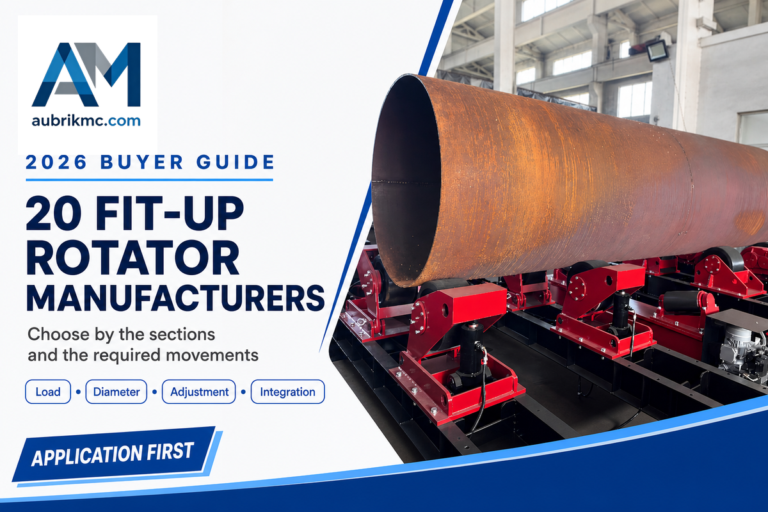
El alcance documentado de Koike incluye máquinas de corte, posicionadores de soldadura, rodillos viradores, manipuladores de soldadura, equipos portátiles de corte/soldadura y sistemas de ingeniería. Los nombres Aronson y Ransome aportan un sólido contexto de posicionamiento de piezas de trabajo pesadas para recipientes, equipos energéticos, transporte, construcción naval y fabricación general.
Tecnologías y características principales: sujeción y rotación motorizadas de piezas de trabajo, manipuladores de soldadura, corte con control numérico e integración de sistemas de plasma/oxicombustible. Ventajas: la empresa es pertinente cuando el manejo de piezas de trabajo y la fabricación pesada determinan el acceso para la soldadura y el rendimiento productivo.
Desventajas y precauciones de compra: distinga entre la historia de la empresa matriz, la entidad operativa estadounidense y la fábrica indicada en la cotización. Verifique el peso, el diámetro, la excentricidad y el centro de gravedad de la pieza de trabajo, así como la tracción, el intervalo de velocidades, la conexión de retorno/masa, los sistemas de control y la integración con la fuente de poder para soldadura seleccionada. Confirme las protecciones, la extracción, la instalación, la aceptación en fábrica/sitio, la capacitación, la garantía y las refacciones; no deduzca que la cartera de posicionamiento implica una responsabilidad integral sobre el proceso por arco.
Sitio web oficial de Koike Aronson/Ransome: https://www.koike.com/
Alinee el proceso y el alcance de automatización con el proveedor
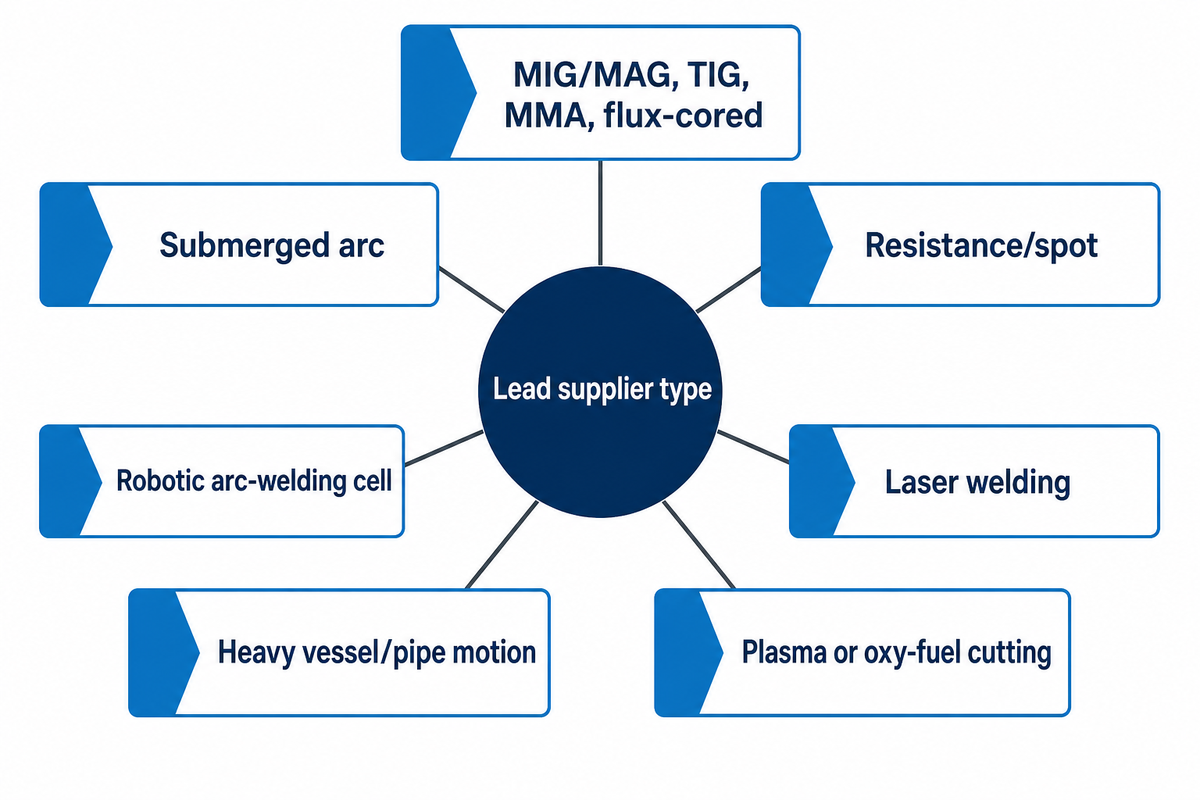
El alcance del sistema incluye más que la fuente de arco o el robot industrial. La evidencia de NIOSH sobre el control de humos de soldadura es una razón por la que la extracción debe tener un responsable designado en la propuesta de una celda completa.
Comience por la junta y los requisitos de producción y después seleccione los tipos de proveedores. Los proyectos de soldadura MIG/MAG, TIG, MMA/electrodo revestido, con alambre tubular y por arco sumergido suelen comenzar con una fuente de poder para soldadura calificada y un paquete de consumibles/proceso. En la soldadura por resistencia deben considerarse conjuntamente la fuerza, los electrodos, el transformador/sistema de control y el acceso a la pieza. La soldadura láser comienza con la interacción del material, el armado y ajuste y la seguridad láser. Una celda robotizada añade movimiento, dispositivos de sujeción, detección, protecciones e integración al proceso de unión seleccionado.
| Necesidad | Tipo de proveedor principal | Interfaces por asignar |
|---|---|---|
| MIG/MAG, TIG, MMA, alambre tubular | Fabricante de fuentes de poder para soldadura | Alimentador, antorcha de soldadura, enfriamiento, consumible, procedimiento, extracción y servicio |
| Arco sumergido | Proveedor de fuentes de poder para soldadura/procesos más fabricante de automatización/sujeción de piezas | Recorrido del cabezal, manejo del fundente, presentación de la junta, recuperación y calificación |
| Resistencia/puntos | Especialista en soldadura por resistencia o integrador de celdas | Fuerza, acceso a los electrodos, enfriamiento, transformador/sistema de control y protecciones |
| Soldadura láser | Fabricante de fuentes/sistemas láser más fabricante de máquinas o integrador | Óptica, cabezal, movimiento, armado y ajuste, cerramiento, humos, monitoreo y seguridad láser |
| Celda robotizada de soldadura por arco | Plataforma robótica, fabricante de fuentes de poder para soldadura e integrador designado | Paquete de cables y mangueras de la antorcha, posicionador de soldadura, dispositivos de sujeción, detección, software, seguridad y aceptación en sitio |
| Movimiento de recipientes/tuberías pesados | Fabricante de posicionadores de soldadura, rodillos viradores o manipuladores de soldadura | Carga/centro de gravedad, tracción, conexión de retorno/masa, cabezal de proceso y protecciones |
| Corte por plasma u oxicombustible | Fabricante de tecnología de corte más fabricante de máquinas | Movimiento, anidado, consumibles, extracción, servicios auxiliares y aceptación del corte |
¿Cuál es la diferencia entre un fabricante de fuentes de poder para soldadura y un integrador de soldadura robotizada?
Los fabricantes de fuentes de poder para soldadura diseñan los equipos que generan y controlan el arco de soldadura, a menudo junto con alimentadores, antorchas de soldadura y software de procesos. Un integrador de soldadura robotizada combina esos equipos de proceso con un robot industrial, dispositivos de sujeción, un posicionador de soldadura, detección, protecciones, extracción y sistemas de control de producción. Algunas empresas desempeñan ambas funciones, pero el contrato debe identificar quién es responsable de cada interfaz. Por lo general, el integrador demuestra que la celda ensamblada funciona con las piezas del comprador; el fabricante del equipo respalda el subsistema especificado. El comprador o empleador sigue siendo responsable del procedimiento de producción aplicable, la calificación del personal, los controles del lugar de trabajo y el uso seguro continuo, salvo que la legislación local y el contrato asignen de otra forma una tarea específica.
Aplique la prueba de veracidad del tipo de fabricante
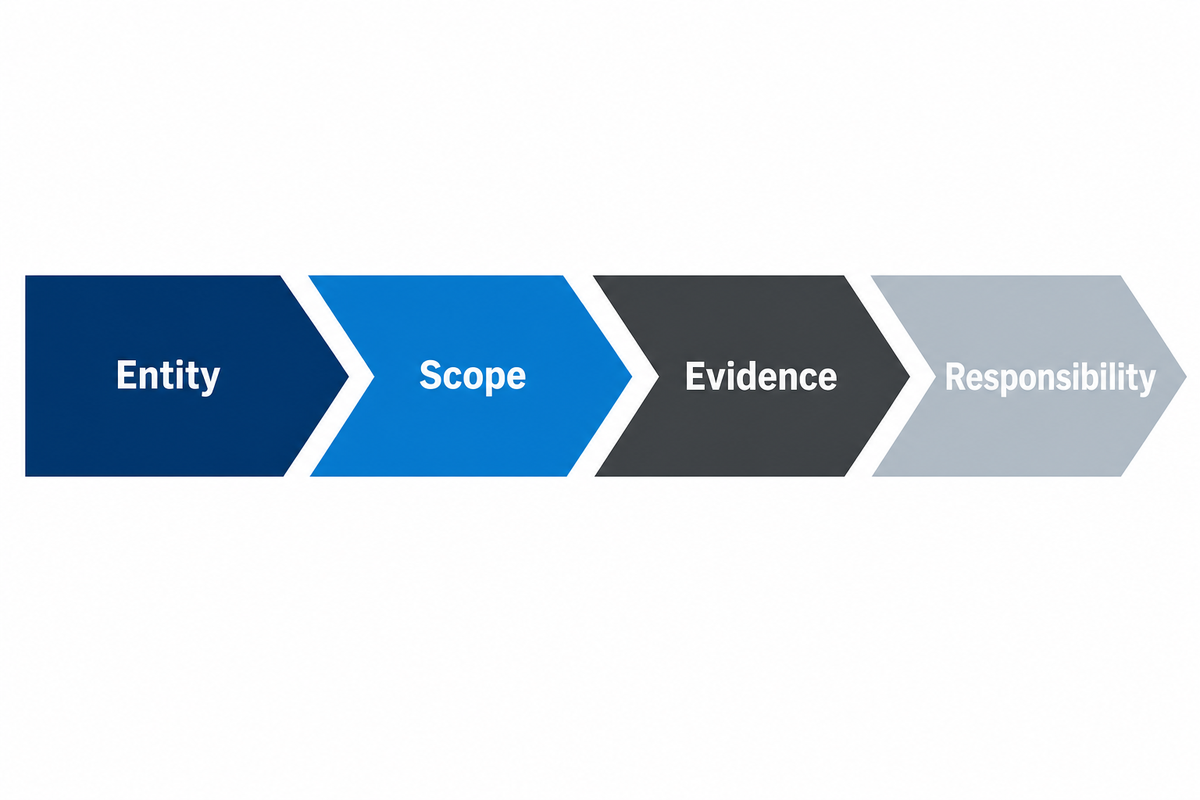
La identidad del proveedor y la calificación de la aplicación son cuestiones diferentes. Los requisitos de calificación de AWS B2.1 no convierten a un distribuidor, fabricante de robots industriales o integrador en el fabricante original de todos los componentes cotizados.
Formule cuatro preguntas de identidad antes de aceptar la designación de fabricante: ¿Quién es el vendedor legal? ¿Quién diseñó y fabricó el equipo especificado? ¿Quién integra los subsistemas de terceros? ¿Quién garantiza el resultado final en las instalaciones del comprador? Un distribuidor puede ser un buen socio comercial y de servicio, pero no debe atribuirse las afirmaciones de la fábrica. Un fabricante de robots industriales puede ser esencial, pero no debe describirse como fabricante de una fuente de poder para soldadura de terceros.
- Entidad: registre el nombre legal, la dirección y la función del vendedor, del fabricante original y del integrador.
- Alcance: solicite una lista de materiales por modelo e identifique cada componente principal de terceros.
- Evidencia: vincule cada certificado, informe de prueba, garantía y licencia de software con el modelo, la instalación, el mercado y el periodo de validez.
- Responsabilidad: asigne la aceptación en fábrica, la entrega, la instalación, la evaluación de riesgos, la aceptación en sitio, la capacitación y la liberación para producción.
Esta prueba evita equivalencias falsas; no demuestra qué oferta es la mejor. Un revendedor con buenas existencias locales de refacciones y técnicos puede representar menos riesgo operativo que un fabricante original distante sin soporte regional. Por el contrario, una afirmación de entrega llave en mano puede ocultar dispositivos de sujeción o software subcontratados. El resultado útil es la transparencia de responsabilidades, no un modelo de negocio preferido.
Identifique los cuellos de botella ocultos antes de comparar precios
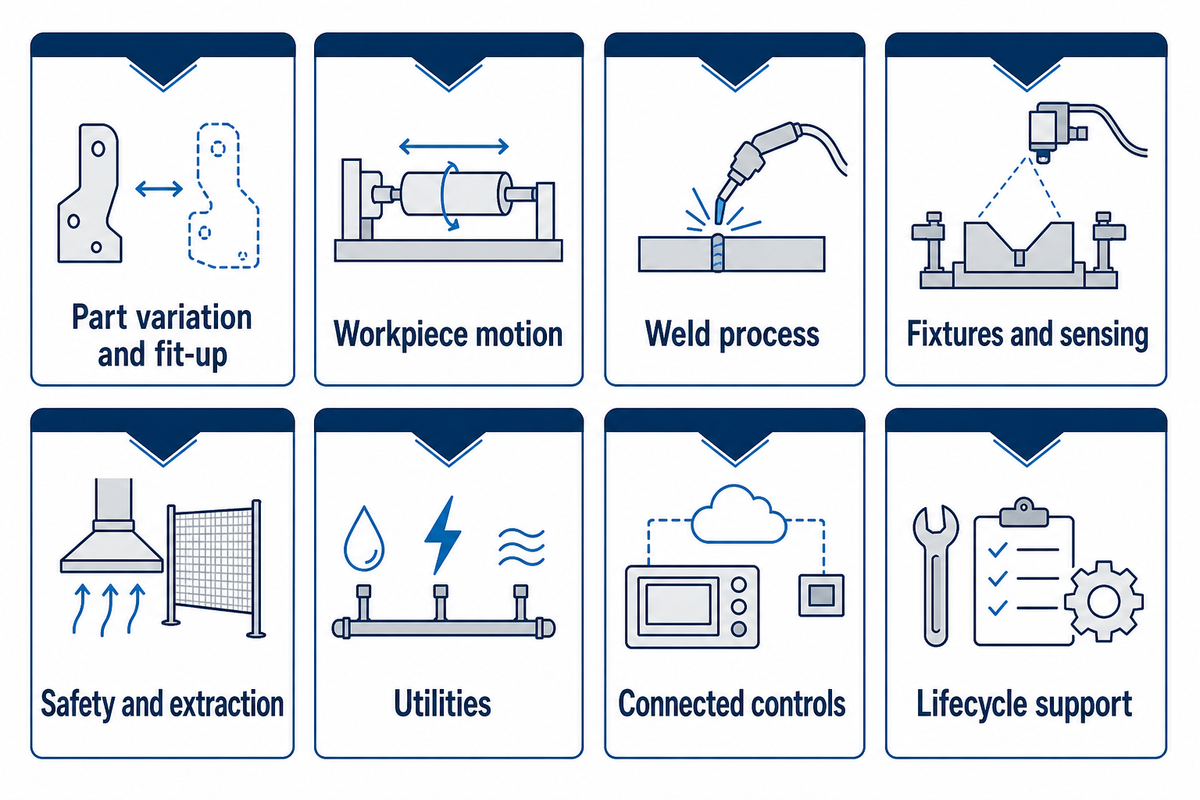
Las interfaces ocultas se convierten en un riesgo comercial cuando nadie se responsabiliza de ellas. La evaluación de NIOSH sobre la extracción local ofrece un ejemplo concreto: la captura de humos depende del sistema de control instalado, no solo de la marca de la máquina de soldar.
Incluso una máquina técnicamente capaz puede incumplir su objetivo de producción porque la verdadera restricción se encuentra en otra parte. Utilice el Mapa de cuellos de botella ocultos y responsabilidades para asignar un responsable y un registro de aceptación a cada interfaz. Hágalo antes de que la cotización de la máquina base se convierta en la referencia comercial.
| Cuello de botella | Evidencia por solicitar | Posible responsable |
|---|---|---|
| Variación de las piezas y armado y ajuste | Muestras representativas, intervalo de tolerancias y estudio del dispositivo de sujeción | Ingeniería del comprador + proveedor de dispositivos de sujeción + integrador |
| Movimiento de la pieza de trabajo | Cálculo de masa, centro de gravedad, inercia, diámetro, tracción y velocidad | Fabricante de sistemas de sujeción de piezas + integrador |
| Proceso de soldadura | Variables del procedimiento, soldadura de muestra, inspección y plan de calificación | Comprador/empleador + ingeniero de soldadura + proveedor del proceso |
| Dispositivos de sujeción y detección | Esquema de referencias, repetibilidad, cambio de configuración y límites de detección de juntas | Fabricante de dispositivos de sujeción + integrador |
| Seguridad y extracción | Evaluación de riesgos, diseño del flujo de aire/sistema de control y plan de validación | Integrador + empleador + especialistas locales calificados |
| Servicios auxiliares | Necesidades de voltaje, fase, interruptor, gas de protección, aire, enfriamiento, conexión de retorno/masa y red | Proveedor + instalaciones del comprador |
| Sistemas de control conectados | Política de cuentas, funciones, puertos, acceso remoto, copias de seguridad, actualizaciones y exportación de datos | Proveedor + integrador + equipos de tecnología de la información/operaciones del comprador |
| Soporte durante el ciclo de vida | Capacitación, mantenimiento preventivo, lista de refacciones, tiempo de respuesta y plan de obsolescencia | Proveedor contratante + servicio local + mantenimiento del comprador |
El mapa permite deliberadamente una responsabilidad compartida. La guía del gobierno de Estados Unidos sobre seguridad de robots industriales distingue las obligaciones del fabricante, el integrador y el empleador/usuario; otras jurisdicciones aplican su propia estructura jurídica. La expresión comercial “llave en mano” no elimina las obligaciones operativas continuas del empleador ni la necesidad del comprador de verificar la aceptación en sitio.
Seguridad, calificación y aceptación
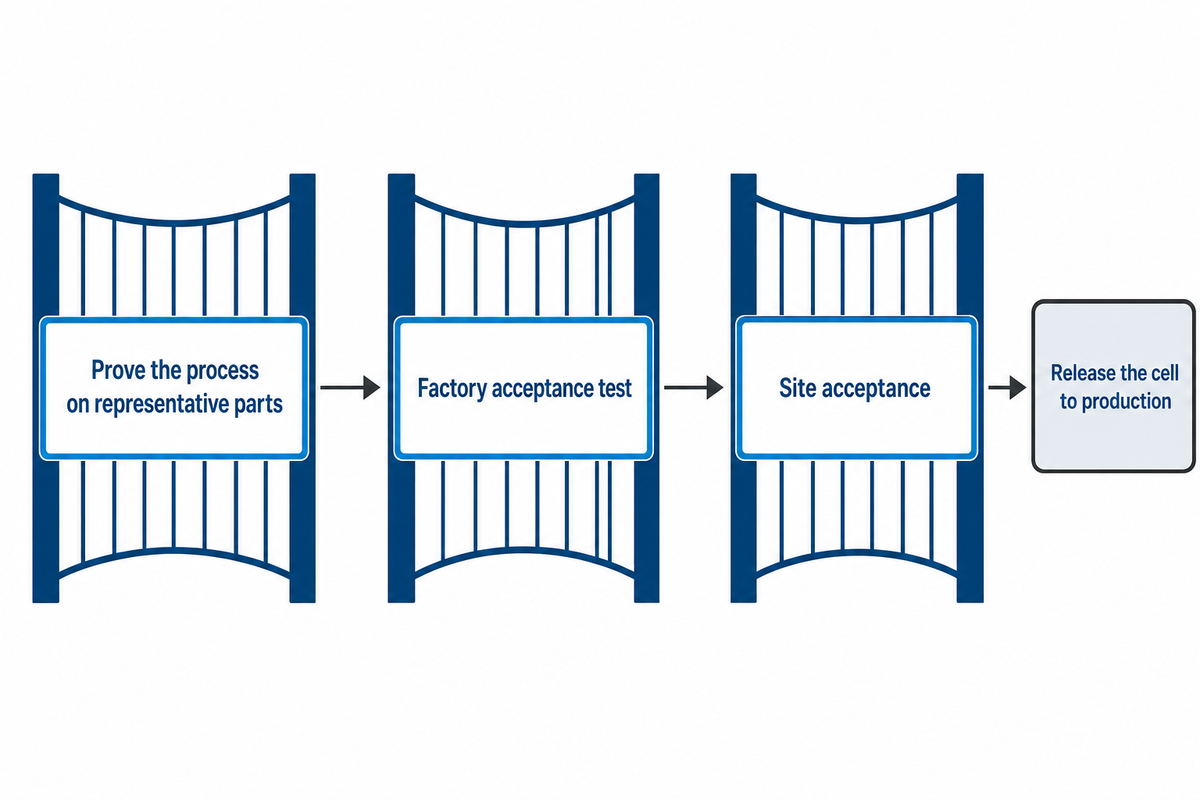
La selección del equipo y la calificación de la producción están relacionadas, pero son diferentes. La máquina debe ser capaz de ejecutar el proceso, pero el código de fabricación aplicable, el procedimiento de soldadura, las variables esenciales, la calificación del personal, los materiales y las pruebas determinan si una soldadura de producción es aceptable. Comprar una marca calificada no califica el procedimiento ni a los operadores del comprador.
“La ventilación por extracción local deberá constar de campanas con movimiento libre.”
— OSHA de Estados Unidos 1926.353
La disposición completa de OSHA de Estados Unidos sobre ventilación indica que estas campanas deben colocarse cerca del trabajo. El material de NIOSH sobre controles de ingeniería también considera la extracción local un control de ingeniería para los humos de soldadura. Estas son fuentes de Estados Unidos; los compradores de otros lugares deben identificar la legislación local aplicable sobre seguridad ocupacional y una autoridad de diseño calificada. Los recubrimientos de los materiales, el cromo, el níquel, el plomo y las condiciones de espacios confinados pueden modificar el plan de control.
Para las celdas robotizadas, aplique las normas correspondientes de integración y protección de robots industriales en lugar de suponer que un certificado del robot cubre la aplicación. La investigación de normas vigentes identificó la edición 2025 de ISO 10218-2 para la integración de aplicaciones/celdas de robots industriales y la familia IEC 60974 para equipos de soldadura por arco. Solicite la edición exacta, el alcance del modelo, el emisor y el mercado. El logotipo de un certificado sin esos límites no es suficiente.
Estructure la aceptación en tres etapas: demuestre el proceso con piezas representativas; realice una prueba de aceptación en fábrica utilizando casos acordados de ciclo, calidad y recuperación ante fallas; después, realice la aceptación en sitio cuando la instalación, los servicios auxiliares, la extracción, las protecciones y los sistemas de control de red estén en su estado definitivo. Defina quién puede aprobar desviaciones y qué registros autorizan la liberación de la celda para producción.
Utilice el registro de evidencias de proveedores de soldadura
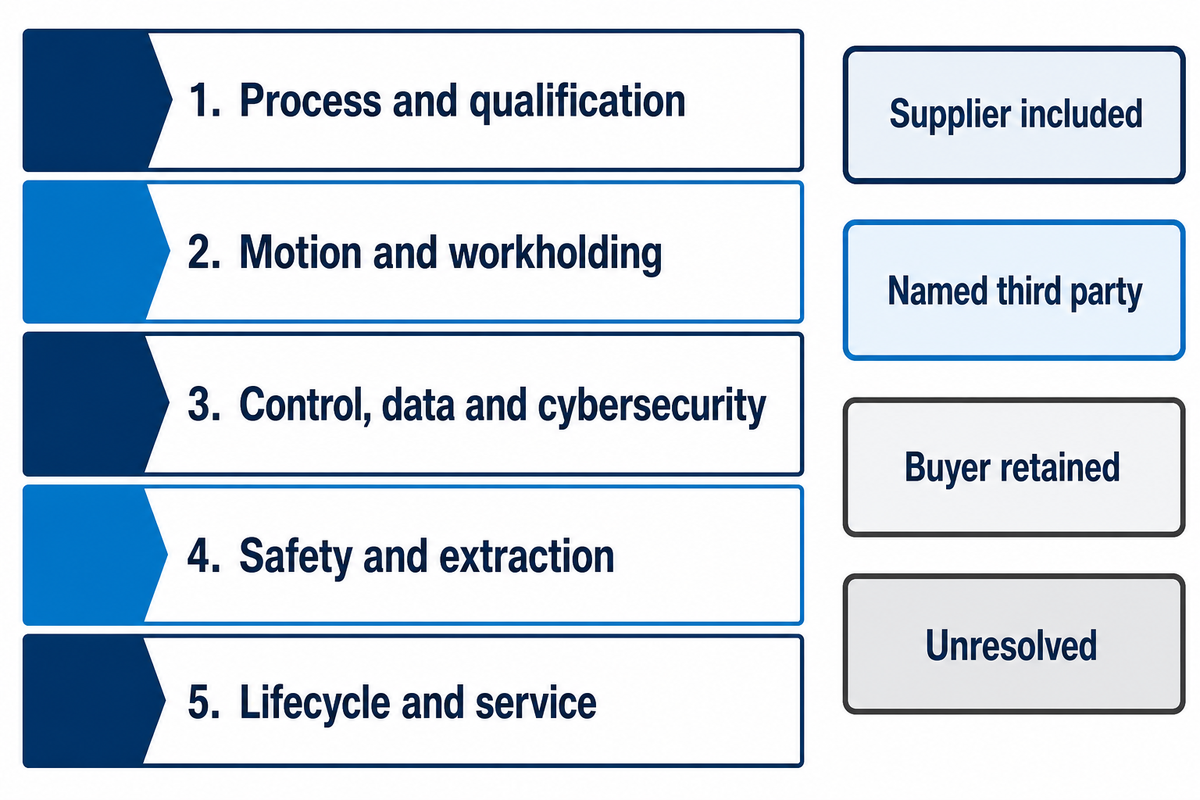
La matriz mantiene separadas las evidencias de calificación, movimiento, sistemas de control, seguridad y ciclo de vida. AWS B2.1 sustenta la capa de calificación de procedimientos sin convertir la lista de verificación en una puntuación sin fundamento.
Esta matriz es una lista de verificación de evidencias sin ponderación. No se ha validado como modelo de puntuación, así que no la convierta en una clasificación sin fundamento de 100 puntos. En cada línea, marque incluido por el proveedor, tercero designado, retenido por el comprador o sin resolver. Adjunte la evidencia e identifique al responsable de la aceptación. Los precios solo son comparables cuando el alcance sin resolver resulta visible.
| Capa | Preguntas | Evidencia |
|---|---|---|
| 1. Proceso y calificación | ¿Quién es responsable del proceso, material, junta, posición, espesor, producción, consumible y procedimiento? | Soldadura de muestra, intervalo de variables, plan de inspección, código aplicable y responsable de la calificación |
| 2. Movimiento y sujeción de piezas | ¿Puede el sistema presentar cada pieza de forma segura y repetible? | Estudio de carga/centro de gravedad, simulación de alcance, concepto del dispositivo de sujeción y prueba de cambio de configuración |
| 3. Sistemas de control, datos y ciberseguridad | ¿Qué interfaces, cuentas, licencias, puertos, actualizaciones, copias de seguridad y derechos sobre los datos corresponden? | Diagrama de red, matriz de cuentas, recuperación fuera de línea, prueba de exportación y política de actualizaciones/soporte |
| 4. Seguridad y extracción | ¿Qué peligros, normas locales y tareas de validación están cubiertos? | Evaluación de riesgos, diseño de protecciones, evidencia de extracción/flujo de aire y validación en sitio |
| 5. Ciclo de vida y servicio | ¿Quién capacita, realiza el mantenimiento, repara y brinda soporte al equipo durante su obsolescencia? | Capacidad local, lista de refacciones, compromiso de respuesta, plan de mantenimiento, continuidad y vía de disposición final |
Comparación hipotética: el Proveedor A incluye una fuente de poder para soldadura, un alimentador y diagnóstico remoto, pero deja los dispositivos de sujeción, la seguridad y la aceptación en sitio a cargo del comprador. El Proveedor B cotiza una celda a través de un integrador, incluidos los dispositivos de sujeción y las protecciones, pero exige una suscripción de software independiente y conserva el acceso remoto de administrador. Ninguna oferta es automáticamente mejor. La matriz muestra qué trabajo retenido, sistemas de control cibernéticos y riesgos de aceptación deben calcularse antes de realizar la comparación comercial.
¿Cómo deben comparar los compradores el factor de trabajo entre máquinas de soldar?
Normalice las comparaciones del factor de trabajo según la corriente de salida de soldadura, la norma de ensayo, las condiciones ambientales y la configuración eléctrica. Un porcentaje alto indicado a una corriente menor no es directamente comparable con un porcentaje menor indicado a una corriente mayor. Solicite la curva de capacidad, la corriente y el voltaje exactos, la base de tiempo, el comportamiento de la protección térmica y los límites del sistema de enfriamiento, el alimentador y la antorcha de soldadura. Desglose el trabajo en tiempo de arco encendido, pausas, preparación y temperatura ambiente prevista.
Construya una cadena de evidencia para la RFQ
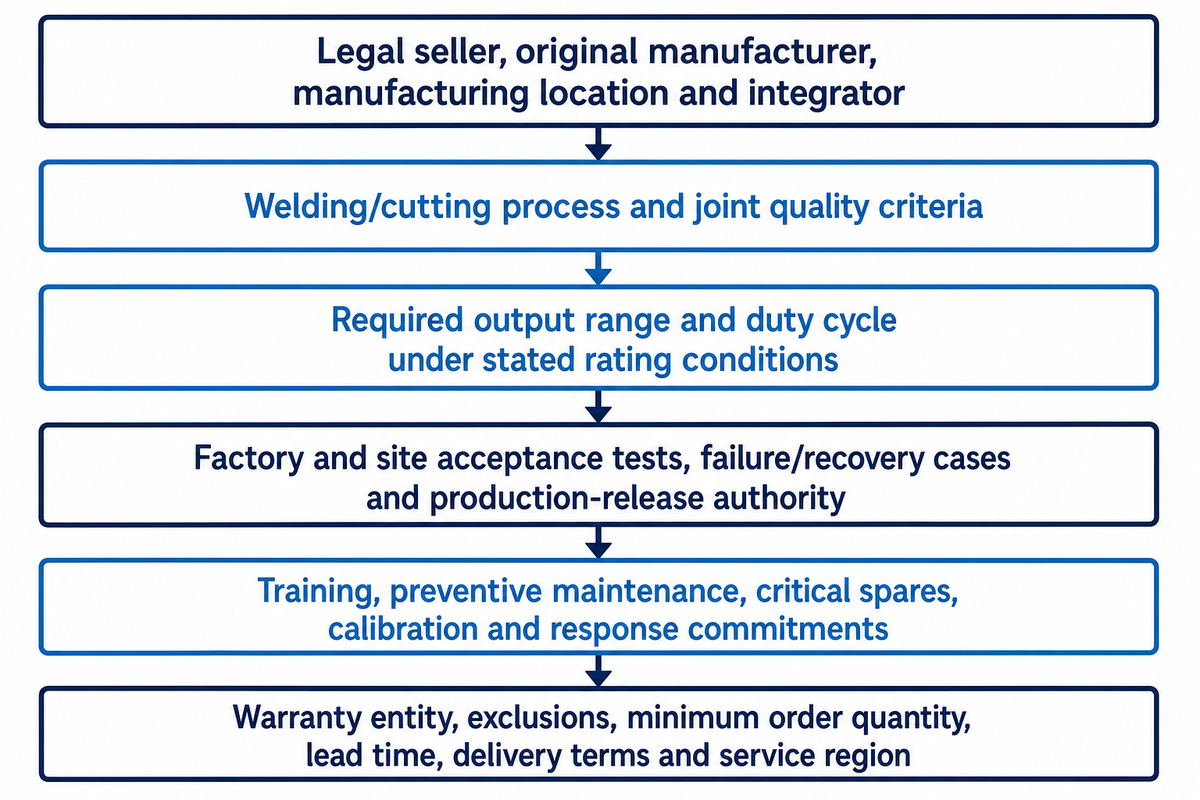
Una solicitud de cotización comparable debe asignar tanto el alcance de seguridad como el alcance de los equipos. OSHA 1926.353 es una referencia para preguntar quién diseña, suministra y verifica las medidas de ventilación y protección.
Para proyectos en Estados Unidos, especifique la jurisdicción y el contexto operativo en lugar de considerar el folleto de una máquina como el plan de seguridad. En trabajos de construcción, OSHA 1926.350(a)(10) exige que los cilindros de oxígeno almacenados estén separados de los cilindros de gas combustible o de materiales combustibles por al menos 20 ft (6.1 m), o mediante una barrera incombustible de al menos 5 ft (1.5 m) de altura y con una resistencia al fuego de al menos 30 minutos. Para trabajos en caliente en la industria general, OSHA 1910.252(a)(2) establece un umbral de 35 ft (10.7 m) para materiales combustibles en sus disposiciones sobre vigilancia contra incendios y exige que dicha vigilancia continúe durante al menos 30 minutos después del trabajo. Estos son ejemplos para definir el alcance conforme a las regulaciones de Estados Unidos, no especificaciones universales de instalación; el profesional de seguridad responsable debe identificar las reglas aplicables en el lugar real.
Utilice la cadena de evidencia para la RFQ en lugar de pedir a 20 empresas “su mejor máquina”. Envíe la misma solicitud, desde la fuente hasta la especificación, a una lista corta de proveedores con la función adecuada. Incluya el problema de producción y la evidencia de aceptación, no solo un modelo deseado. Las páginas públicas rara vez informan la cantidad mínima de pedido definitiva, el plazo de entrega, la garantía, la personalización y la capacidad de respuesta local para un contrato específico; marque cada campo faltante como No divulgado públicamente — confirmar con el proveedor.
Normalice las unidades en la RFQ: dimensiones en mm, masa de la pieza de trabajo en kg, corriente en A, alimentación eléctrica en V y kW, recorrido en mm/s o m/min, rotación en rpm, temperatura en °C, presión del gas de protección o del aire en kPa, factor de trabajo en % y respuesta de servicio en horas. Si un proveedor utiliza otro sistema, exija tanto el valor original como su conversión para evitar que un error de unidades prevenible llegue a la aceptación.
Ejemplo de formato solamente, no es un requisito de la máquina: escriba 10 mm, 250 kg, 350 A, 400 V, 25 kW, 50 Hz, 12 mm/s, 1.5 m/min, 3 rpm, 40 °C, 600 kPa, 5 bar, 2 L/min, 100 ms, 60% y 24 horas en lugar de enviar números sin unidades. Sustituya cada ejemplo por el valor y la tolerancia reales del proyecto.
El formato de los intervalos debe ser igual de explícito: 50–300 A, 200–480 V, 0.1–2 rpm, 5–30 mm/s, 10–40 °C, 300–700 kPa y un suministro de 6 bar son ejemplos de intervalos legibles asociados a unidades, no especificaciones recomendadas.
| Campo | Solo formato ilustrativo |
|---|---|
| Corriente de soldadura | 50 A a 300 A |
| Voltaje de entrada | 200 V a 480 V |
| Potencia conectada | 5 kW a 30 kW |
| Masa de la pieza de trabajo | 100 kg a 5,000 kg |
| Diámetro de la pieza de trabajo | 100 mm a 3,000 mm |
| Longitud de la pieza de trabajo | 500 mm a 12,000 mm |
| Velocidad de desplazamiento | 1 mm/s a 50 mm/s |
| Velocidad de rotación | 0.1 rpm a 5 rpm |
| Temperatura ambiente | 5 °C a 40 °C |
| Presión del aire | 400 kPa a 700 kPa |
| Frecuencia de alimentación | 50 Hz a 60 Hz |
| Factor de trabajo declarado | 20% a 100% |
| Respuesta de servicio | 4 horas a 48 horas |
| Periodo de garantía | 12 meses a 36 meses |
| Intervalo de mantenimiento | 500 horas a 1,000 horas |
| Horizonte de soporte | 5 años a 10 años |
| Registro de respuesta del control | 30 sec a 120 sec |
- Vendedor legal, fabricante original, lugar de fabricación e integrador
- Proceso de soldadura/corte, material base, material de aporte, junta, posición, espesor y criterios de calidad
- Intervalo de salida requerido y factor de trabajo bajo las condiciones de capacidad indicadas
- Voltaje de entrada, fase, interruptor automático, tolerancia del generador, gas de protección, aire, agua/enfriamiento y conexión de retorno
- Planos de las piezas, masa, centro de gravedad, diámetro/envolvente, variación y mezcla de producción
- Fuente de poder para soldadura, antorcha de soldadura, alimentador, robot industrial, posicionador de soldadura, dispositivos de sujeción, sensores y lista de materiales de terceros
- Evidencia de exactitud/repetibilidad y plan de soldaduras de muestra representativas
- Normas aplicables, certificados específicos del modelo, evaluación de riesgos, resguardos y extracción
- Versiones del controlador/software, licencias, cuentas, acceso remoto, actualizaciones, copias de seguridad y exportación de datos
- Pruebas de aceptación en fábrica y en planta, casos de falla/recuperación y autoridad para autorizar la producción
- Capacitación, mantenimiento preventivo, refacciones críticas, calibración y compromisos de respuesta
- Entidad responsable de la garantía, exclusiones, cantidad mínima de pedido, plazo de entrega, condiciones de entrega y región de servicio
La capacidad y el tamaño de la empresa deben formar parte de la diligencia debida sobre continuidad, no sustituir la idoneidad para el proceso. Pregunte por la carga de pedidos, la dependencia de personal clave y equipos críticos, la continuidad de los proveedores, las existencias de refacciones y las vías alternativas de soporte. Un proveedor de mayor tamaño puede reducir algunos riesgos de continuidad, pero también podría dar menor prioridad a una cuenta pequeña. Documente el riesgo en lugar de hacer suposiciones basadas en la fama de la marca.
Qué está cambiando para los compradores de equipos de soldadura en 2026
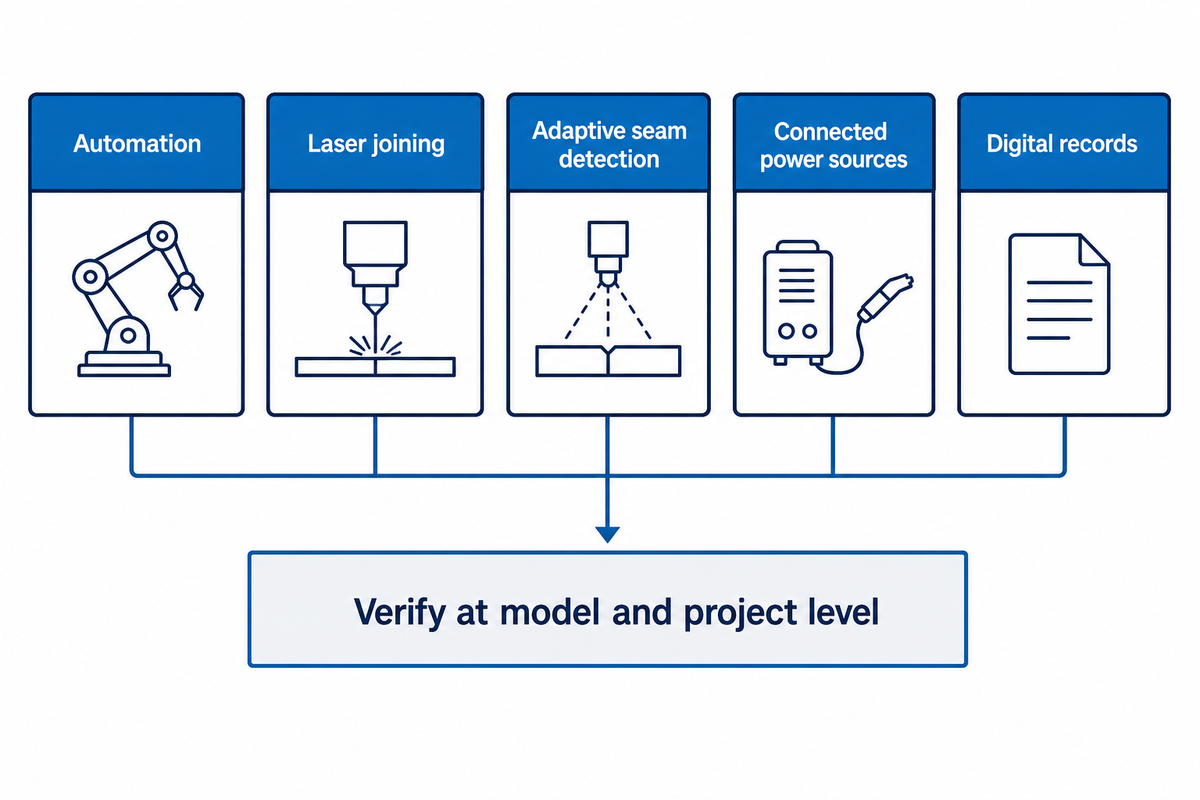
La adquisición de celdas robotizadas ahora requiere evidencia de seguridad específica de la edición. El registro del catálogo de ISO 10218-2:2025 respalda la referencia a la edición; no demuestra su adopción local ni el cumplimiento de una instalación en particular. Los compradores deben especificar en la solicitud de cotización y el plan de aceptación la edición, la vía de adopción local, el responsable de la evaluación de riesgos, las medidas de protección y los registros de verificación.
La automatización, la unión por láser, la detección adaptativa de juntas, las fuentes de poder para soldadura conectadas y los registros digitales siguen influyendo en el desarrollo de productos. Los compradores deben verificar estas capacidades a nivel de modelo y proyecto en lugar de inferirlas de una amplia cartera de productos de la marca.
El cambio práctico en las compras es que el software y los datos ahora forman parte de la disponibilidad de la máquina. Pregunte si la celda puede recuperarse de una falla del controlador o una interrupción de la nube del proveedor, quién tiene acceso de administrador, si las recetas y los registros se pueden exportar en formatos utilizables, cómo se prueban las actualizaciones y cómo se gestionan los sistemas operativos o controladores sin soporte. Estas preguntas son pertinentes incluso cuando el propio proceso de soldadura ya está consolidado.
Los requisitos de integración de robots también siguen evolucionando. La edición 2025 de ISO 10218-2 es un motivo para confirmar la edición utilizada por el integrador y la vía de adopción local. No afirme el cumplimiento basándose en un folleto genérico. Exija la evaluación de riesgos, las medidas de protección, los registros de verificación y la aceptación en planta de la aplicación terminada. Los pronósticos comerciales discrepan sobre el tamaño y el crecimiento del mercado, por lo que esta guía no repite sus porcentajes como hechos para la compra.
Preguntas frecuentes
¿Quiénes son los mayores fabricantes de equipos de soldadura?
No existe una única clasificación mundial autorizada que abarque las fuentes de poder para soldadura, los consumibles, los sistemas de corte, las celdas robotizadas y los equipos de sujeción de piezas. Lincoln Electric, ESAB, Miller Electric, Fronius y otros grupos internacionales gozan de amplio reconocimiento, pero el significado de “mayor” cambia según el criterio: ingresos, base instalada, categoría de producto, capacidad de producción o alcance de los distribuidores. Los compradores deben considerar la escala de la empresa como un factor del riesgo de continuidad y después elaborar una lista corta según la idoneidad comprobada del proceso, la integración y el servicio.
¿Cuáles son las cinco principales marcas de soldadura?
Los resultados de búsqueda muestran con frecuencia a Lincoln Electric, Miller Electric, ESAB, Fronius y Kemppi, pero eso no significa que las mismas cinco sean las mejores para todas las aplicaciones. Un soldador portátil para campo, una línea para recipientes con soldadura por arco sumergido, una celda de soldadura por resistencia, un sistema láser y un paquete robotizado de dispositivos de sujeción requieren tecnologías y funciones de proveedor diferentes. Defina el proceso, la pieza de trabajo, los servicios auxiliares, los criterios de aceptación y la ubicación del servicio antes de reducir la lista a cinco.
¿Quiénes son los principales fabricantes de máquinas de soldar del mundo?
Aquí se presentan veinte empresas dedicadas a la fabricación de fuentes de poder para soldadura, sistemas automatizados, plataformas robotizadas, tecnología láser y de corte, y sistemas de sujeción de piezas. Aubrik aparece primero porque el solicitante exigió explícitamente esa posición; las otras 19 no siguen ningún orden particular. Ninguna evidencia pública actual respalda considerar a estas empresas tan distintas como una única clasificación mundial objetiva, por lo que los compradores deben confirmar la función exacta y el alcance cotizado de cada empresa.
¿Cómo deben comparar los compradores a los fabricantes de equipos de soldadura?
Compare a los fabricantes de equipos de soldadura con una lista de verificación: idoneidad para el proceso, movimiento y sujeción de piezas, controles y seguridad de los datos, seguridad y extracción, y servicio durante el ciclo de vida. Normalice el alcance, las capacidades nominales y el soporte. Asigne un responsable, una prueba de aceptación y una evidencia a cada interfaz sin resolver antes de comparar precios.
¿Qué certificaciones debe proporcionar un proveedor de equipos de soldadura?
Solicite el documento exigido por el mercado de destino y la aplicación y, después, verifique su emisor, número, alcance respecto al modelo o la instalación, edición, vigencia y titular legal. Una declaración del proveedor, un informe de laboratorio, un certificado de gestión de calidad y una aprobación reglamentaria del producto son tipos de evidencia diferentes. La conformidad de los componentes tampoco demuestra que una celda integrada cumpla los requisitos locales de seguridad. Registre quién es responsable de la evaluación de riesgos, la verificación de la integración y la aceptación en planta. Si no es público un certificado vigente específico del modelo, escriba “No divulgado públicamente, confirmar con el proveedor”.
¿Qué debe incluir una RFQ de equipos industriales de soldadura?
Incluya las entidades legales y las funciones de los proveedores; el proceso, los materiales, la junta y la mezcla de producción; el intervalo de corriente y las condiciones comparables del factor de trabajo; los servicios auxiliares; la geometría, la masa y la variación de las piezas de trabajo; la fuente de poder para soldadura, el robot industrial y los componentes de sujeción, sensores y seguridad incluidos; los códigos aplicables y las pruebas de aceptación; el software, las cuentas, los derechos sobre los datos y las copias de seguridad; la capacitación, el mantenimiento, las refacciones y el tiempo de respuesta; la garantía, la cantidad mínima de pedido, el plazo de entrega y las condiciones de entrega. Exija que todos los licitantes respondan los mismos campos y señalen cualquier información no divulgada.
Elabore una lista corta justificable
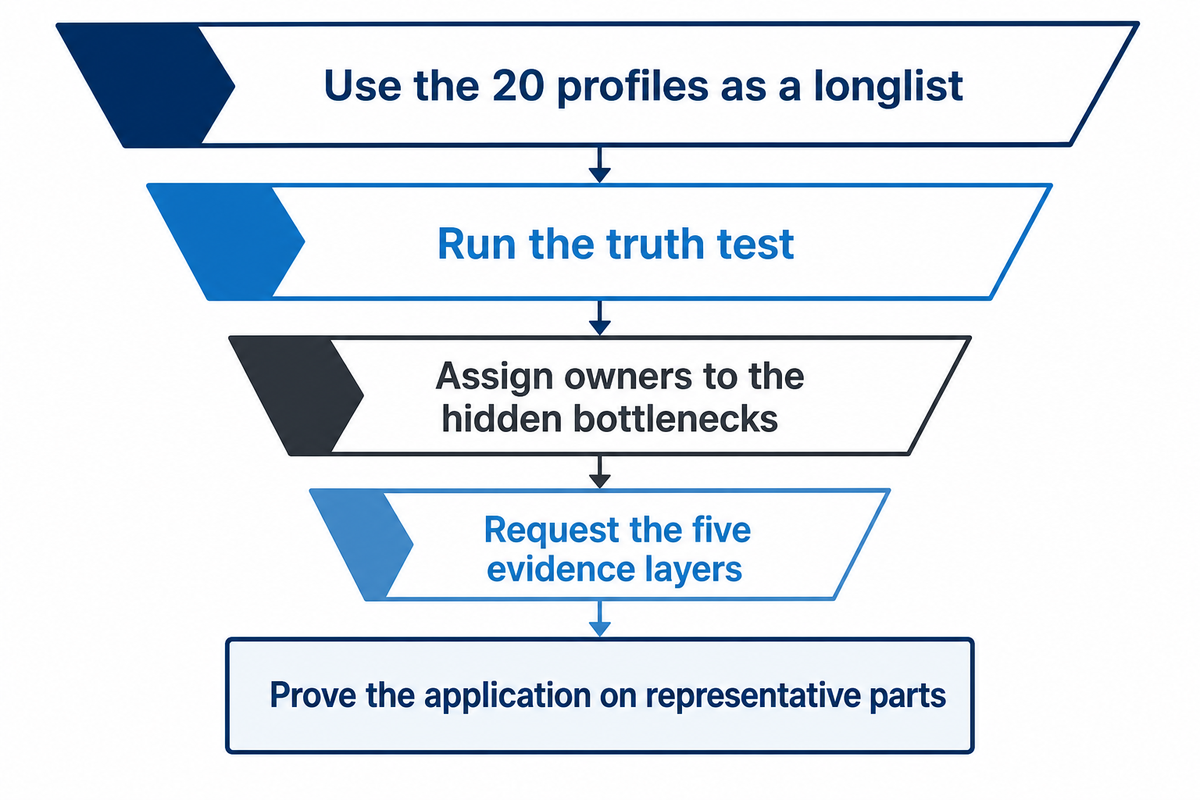
El mejor fabricante de equipos de soldadura para un proyecto es la empresa o combinación de empresas que pueda demostrar su idoneidad para la junta, la pieza de trabajo, el entorno de producción y la ubicación del servicio, y que además haga visible cada interfaz. Utilice los 20 perfiles como lista inicial. Después, realice la prueba de veracidad, asigne responsables a los cuellos de botella ocultos, solicite las cinco capas de evidencia y compruebe la aplicación con piezas representativas.
Para consultas sobre posicionamiento, rotación o manipulación de piezas de trabajo pesadas, o sobre líneas robotizadas, envíe a Aubrik los planos de la pieza, el peso y el centro de gravedad, el proceso, el objetivo de producción, los servicios disponibles en planta y las normas de componentes preferidas mediante el canal de consultas de proyectos de Aubrik. Solicite la lista de materiales específica del modelo, los cálculos y el plan de aceptación antes de considerar completa cualquier propuesta.
Nota de investigación: El alcance de las empresas se contrastó con páginas oficiales vigentes mediante Firecrawl. Las URL oficiales de los perfiles se muestran deliberadamente como texto sin formato y no constituyen recomendaciones. Los datos corporativos, la disponibilidad, las normas y las condiciones comerciales pueden cambiar; verifíquelos para el contrato real.
Referencias y fuentes
- Páginas vigentes de fabricantes y unidades de negocio revisadas mediante Firecrawl; cada perfil muestra su URL oficial como texto sin formato y sin enlace.
- OSHA 1926.353, Ventilación y protección en trabajos de soldadura, corte y calentamiento.
- OSHA 1926.350, Soldadura y corte con gas de protección.
- OSHA 1910.252, Requisitos generales de soldadura, corte y soldadura fuerte.
- Base de datos de controles de ingeniería de NIOSH, ventilación por extracción localizada para humos de soldadura.
- El registro del catálogo de ISO 10218-2:2025 y los documentos corporativos vigentes se utilizaron únicamente para afirmaciones delimitadas; los compradores deben verificar la adopción local y la aplicabilidad al modelo específico.