Póngase en contacto con la empresa Aubrik

Servicios de mecanizado CNC y soldadura de metales: guía para compradores


Guía para compradores de componentes fabricados y mecanizados
Cómo planificar el mecanizado CNC y la soldadura de metales en un solo flujo de trabajo controlado
En esta guía, Servicios de mecanizado CNC y soldadura de metales se refiere al alcance coordinado por el comprador para componentes soldados y mecanizados, no a una ruta de proceso universal ni a una afirmación sobre la capacidad de algún proveedor. La adquisición de un alcance combinado se facilita cuando la solicitud parte de la pieza entregada: las características funcionales, el plano con control de versiones, la base de aceptación y la evidencia necesaria para la entrega. Esta guía es un marco para preparar una solicitud de cotización, no una ruta de mecanizado, un procedimiento de soldadura ni un sustituto de los requisitos contractuales y técnicos del proyecto.
Cuando la especificación técnica esté lista para analizar las capacidades comerciales, el alcance de los servicios integrados de fabricación de Aubrik es el destino independiente para esa conversación.
Resumen: prepare la especificación en este orden
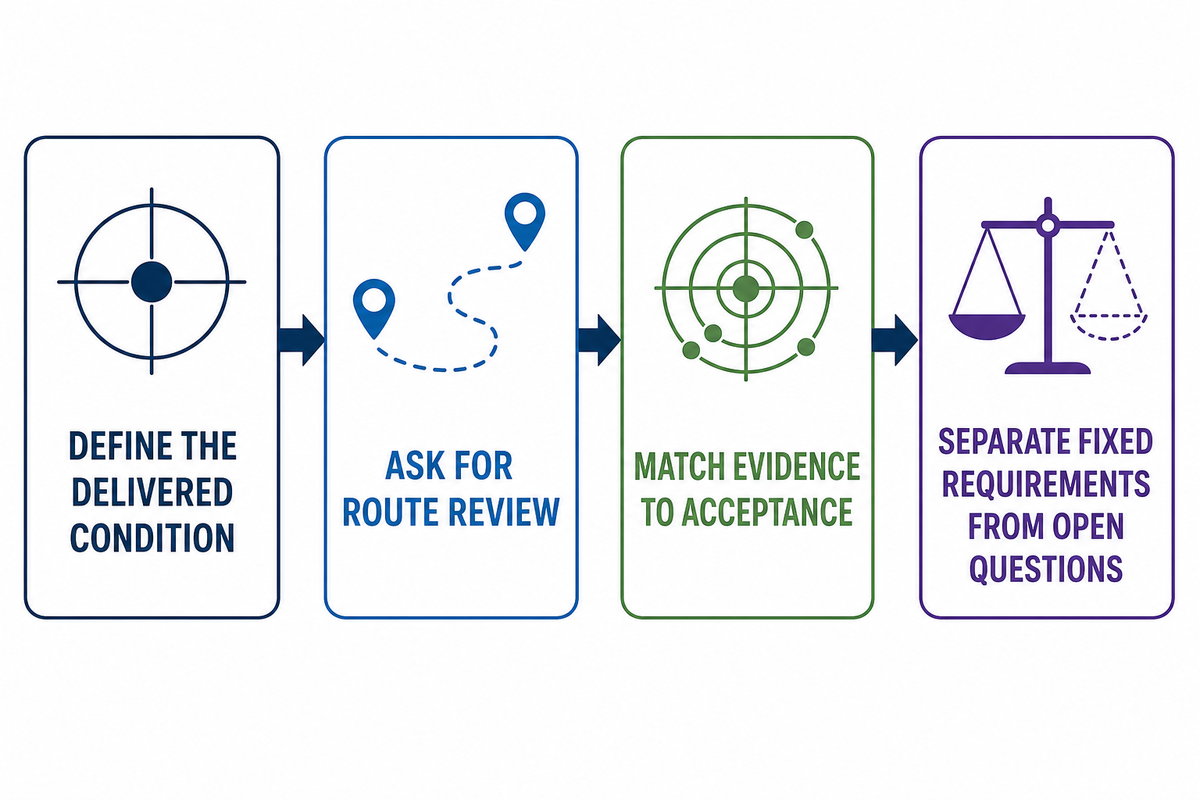
- Defina la condición de entrega: identifique las interfaces, las características críticas y la revisión controlada.
- Solicite una revisión de la ruta: no suponga que soldar antes o después del mecanizado sea la respuesta correcta para todas las piezas.
- Vincule la evidencia con la aceptación: distinga entre inspecciones visuales, verificación dimensional y cualquier ensayo no destructivo o registro específico del proyecto.
- Separe los requisitos fijos de las preguntas pendientes: esto permite comparar las cotizaciones sin obligar al proveedor a hacer suposiciones.
El contexto técnico de un análisis de ASME sobre la variación de tolerancias en conjuntos soldados ilustra por qué la condición de entrega debe guiar el análisis de la ruta.
Comience con el requisito de la etapa de entrega, no con la ruta de fabricación
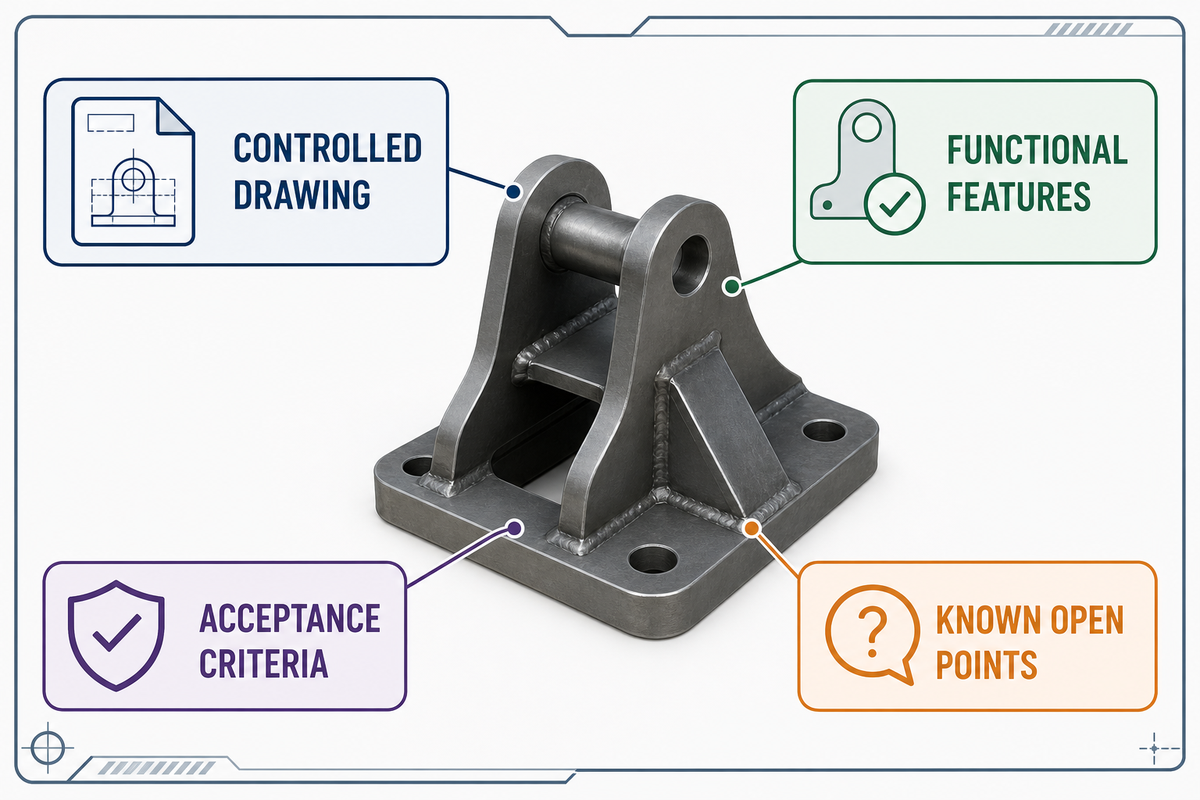
A veces, los compradores inician una solicitud enumerando procesos: mecanizado CNC, corte, soldadura, esmerilado, recubrimiento y ensamble. Es un buen punto de partida, pero no indica al proveedor qué superficies deben funcionar en conjunto al momento de la entrega ni qué evidencia demostrará que lo hacen.
Las mejores especificaciones comienzan con la función de la pieza. ¿Se trata de una cara de posicionamiento, una interfaz de sellado, un patrón de montaje, un barreno, una trayectoria de carga o un conjunto estético? Indique ese propósito junto al plano controlado, en vez de dejarlo en otro correo electrónico o en la memoria del comprador.
Cuando falta esa relación, la ambigüedad puede trasladarse a la cotización porque el proveedor debe decidir qué inspeccionar, qué proteger y qué revisión considerar vigente; por ello, incluya los criterios de aceptación y los puntos pendientes conocidos en la solicitud de cotización antes de iniciar el trabajo de material o del dispositivo de sujeción.
Límite del alcance: las listas de verificación siguientes ayudan a los equipos de compras e ingeniería a preparar una conversación útil. No establecen la conformidad, no sustituyen la planificación de las mediciones ni las reglas de decisión para la aceptación y tampoco prevalecen sobre códigos, contratos, autoridades o especificaciones del cliente aplicables.
Esta distinción es especialmente importante para piezas con características de tolerancia estrecha, cercanas al límite, reguladas, críticas para la seguridad, sometidas a presión o que impliquen consecuencias graves por otros motivos. Para esos trabajos, la autoridad técnica aplicable debe definir los procedimientos, las calificaciones, los métodos de inspección, los registros y las reglas de aceptación requeridos antes de autorizar la producción.
Ese estudio universitario sobre el control de la distorsión por soldadura sirve como referencia para tratar la condición final como un aspecto que debe revisarse y no como una simple etiqueta de proceso.
Cuándo resulta útil un alcance combinado de mecanizado y soldadura, y cuándo no
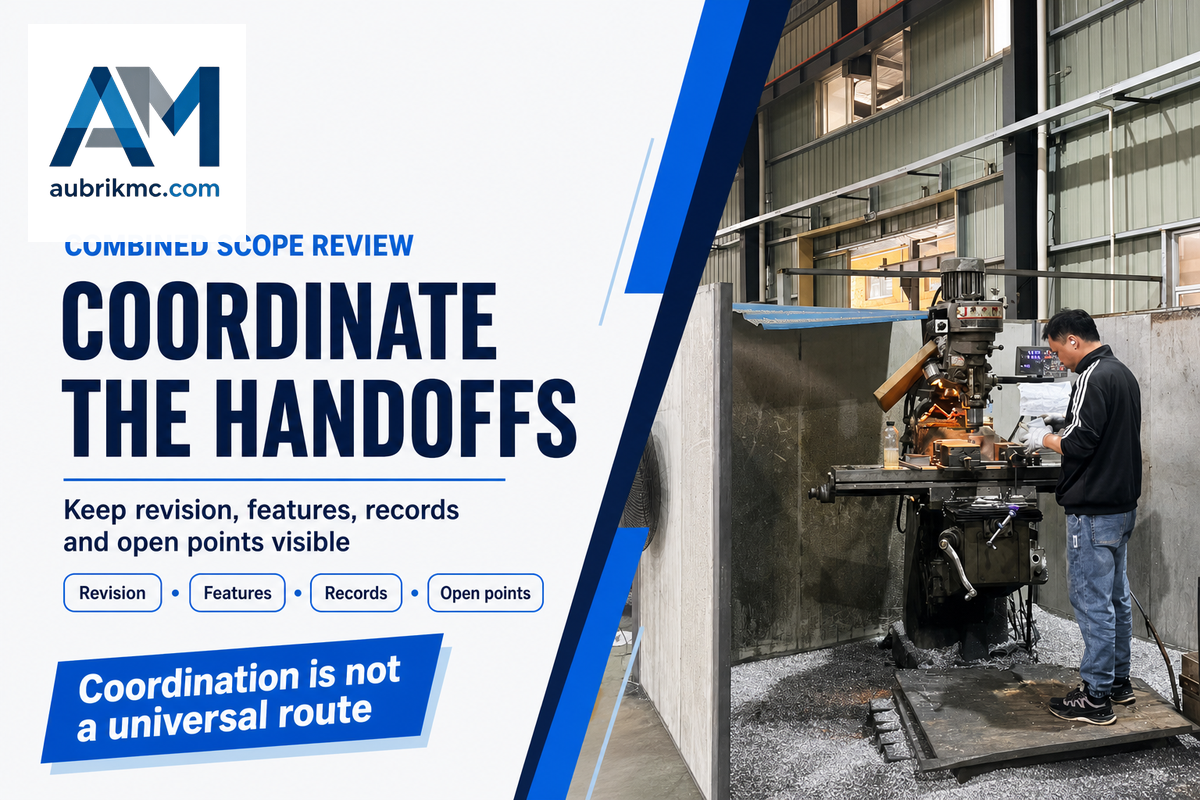
Tratar el proyecto con un solo proveedor puede reducir la ambigüedad en los traspasos cuando un mismo equipo debe comprender en conjunto la fabricación, el mecanizado, la inspección, el embalaje y la entrega. La ventaja radica en la coordinación: una misma revisión puede detectar un conflicto en el plano, una duda sobre el dispositivo de sujeción, una superficie protegida o un punto de espera para inspección antes de que se conviertan en suposiciones de otra persona.
Términos como servicios de mecanizado CNC, servicios de mecanizado CNC de metales, servicios de fabricación metalmecánica y trabajos personalizados de metal con CNC describen capacidades, pero no definen una solicitud de cotización. El comprador aún debe definir la condición de entrega, las características críticas y la evidencia de aceptación de las piezas metálicas personalizadas en cuestión.
Eso no significa que una ruta integrada sea automáticamente más económica, rápida o superior en términos técnicos. Puede ser conveniente recurrir a especialistas independientes cuando así lo exijan el material, el tamaño de la pieza, la base de certificación, la capacidad de mecanizado, la ubicación, la lista de proveedores aprobados o los controles de proceso del cliente.
| Pregunta para el comprador | Por qué cambia la revisión |
|---|---|
| ¿Qué revisión rige la compra? | Esto evita que una cotización o un plan de inspección se elaboren con base en un plano o modelo obsoleto. |
| ¿Qué características solo son importantes después de la soldadura? | Esta distinción separa la preparación para el armado y ajuste del mecanizado y la verificación correspondientes a la etapa de entrega. |
| ¿Qué registros deben acompañar a la pieza? | Los requisitos explícitos mantienen dentro del alcance la trazabilidad y los informes específicos del comprador. |
| ¿Qué decisiones siguen pendientes? | Los puntos pendientes permiten que el proveedor establezca salvedades en la cotización, en vez de considerar en silencio que una cuestión sin resolver está incluida. |
La cuestión de coordinación debe seguir siendo técnica: este análisis de tolerancias de conjuntos soldados recuerda que las dimensiones y los efectos de la soldadura deben considerarse en conjunto.
Primero la secuencia: ¿la soldadura debe realizarse antes del mecanizado final?
No existe un orden universal. Una pieza puede requerir mecanizado antes de la soldadura para preparar juntas, establecer características de armado y ajuste o crear una referencia para la fabricación; también puede requerir mecanizado final después de la soldadura para terminar una cara funcional, un barreno, una característica de posicionamiento o una interfaz en la condición de entrega.
Incluso la capacidad de mecanizado CNC multieje o de 5 ejes no resuelve por sí sola esa cuestión de la ruta. La condición funcional final de la pieza y la base de aceptación determinan si dicha capacidad es pertinente.
No pregunte «¿Qué secuencia es la mejor?», sino «¿Qué ruta puede cumplir los requisitos funcionales finales y de aceptación de esta pieza, teniendo en cuenta su material, geometría, disposición de las juntas, sujeción y liberación, remoción de material prevista, tratamiento térmico, posibilidades de reparación, secuencia de pasadas y base de inspección?»
¿Qué cambia cuando el mecanizado se realiza después de la soldadura?
El mecanizado posterior a la soldadura puede crear una superficie de referencia final o una interfaz acabada después de la fabricación, pero no es una solución general para el movimiento, los efectos residuales, las limitaciones de acceso ni el riesgo de inspección. Pida al proveedor que explique la ruta propuesta con el detalle necesario para revisarla: qué características se terminan antes de la soldadura, cuáles se reservan para el mecanizado posterior, cómo se considerarán la sujeción de la pieza y su liberación, y qué condición se inspeccionará al momento de la entrega.
Los compradores no necesitan prescribir un procedimiento de soldadura detallado ni un método de preparación de juntas, salvo que el contrato, código o autoridad de ingeniería aplicable exija ese nivel de control. Sí necesitan dejar inequívoco el requisito correspondiente a la etapa de entrega.
- Marque las características que acoplan con otro componente o establecen la alineación.
- Indique si una dimensión se aplica antes de la fabricación, después de la soldadura o únicamente en la entrega final.
- Identifique todas las superficies que deban permanecer accesibles para el mecanizado, la medición, el recubrimiento o el ensamble.
- Solicite que las desviaciones, exclusiones y preguntas técnicas pendientes se enumeren junto con la cotización.
Esta revisión condicional de la ruta tiene fundamento técnico en la investigación universitaria sobre métodos para controlar la distorsión por soldadura.
Mapa de tolerancias posteriores a la soldadura de 4 preguntas
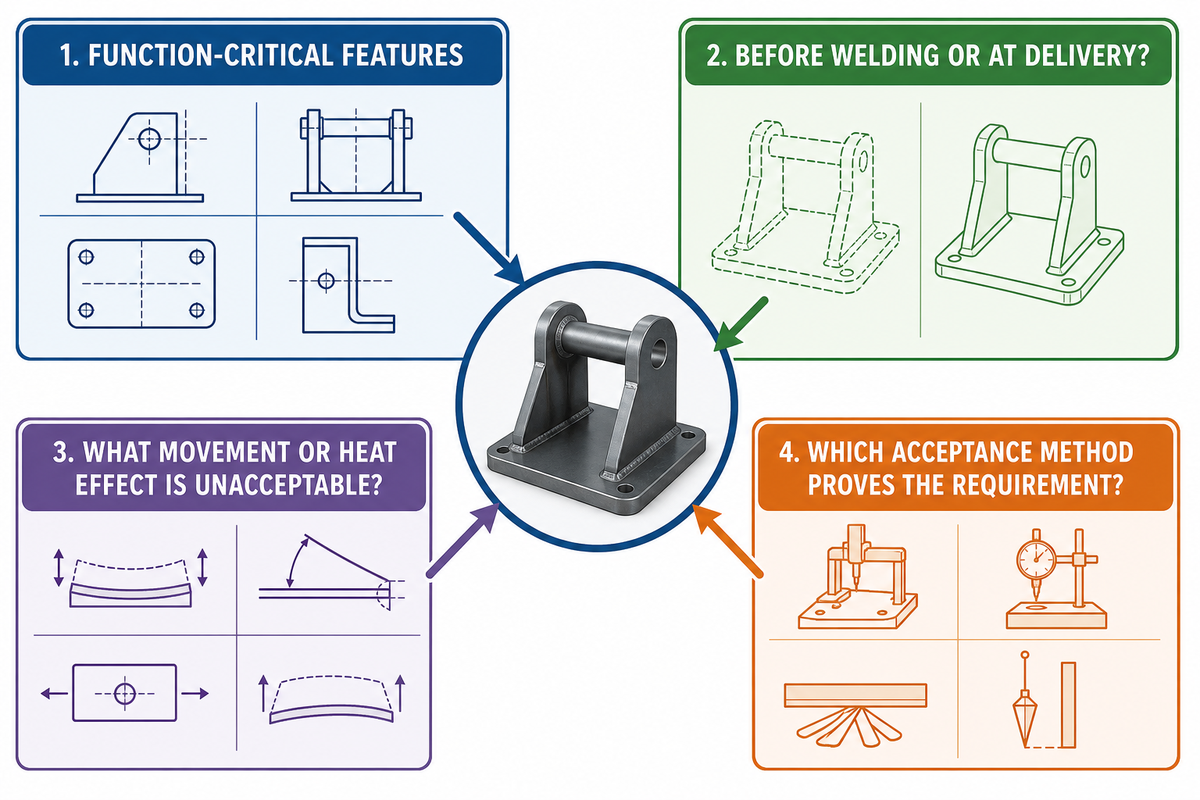
«Tolerancia estrecha» no es una instrucción completa. Este mapa convierte esa designación en 4 preguntas para el comprador, de modo que el plano, el análisis de la ruta y la solicitud de inspección apunten a la misma condición de entrega.
| Pregunta del comprador | Qué mostrar o preguntar | Evidencia que debe coordinarse |
|---|---|---|
| 1. ¿Qué superficies o características son críticas para el funcionamiento? | Marque los barrenos, las caras de sellado, las características de posicionamiento, los patrones de montaje, los bordes de acoplamiento y las áreas estéticas protegidas, cuando corresponda. | Nota en el plano, referencia del modelo, croquis de la interfaz o lista aclarada de características. |
| 2. ¿Qué dimensiones se aplican antes de la soldadura y cuáles al momento de la entrega? | Separe las dimensiones de armado y ajuste de las dimensiones del estado final e identifique la condición de entrega de cada característica crítica. | Revisión controlada del plano y todas las notas aprobadas específicas de cada etapa. |
| 3. ¿Qué movimiento o efecto térmico es inaceptable? | Describa el riesgo funcional, como la pérdida de alineación, la falta de acceso a la sobremedida de mecanizado o un cambio en la condición de acoplamiento, en vez de suponer un método de control genérico. | Respuesta de la revisión de la ruta, análisis del dispositivo de sujeción y registro de aclaraciones acordado. |
| 4. ¿Qué método de aceptación demuestra el cumplimiento del requisito? | Indique la característica y la referencia requeridas, las expectativas de muestreo o presentación de informes y cualquier método específico del comprador que realmente sea obligatorio. | Matriz de aceptación, solicitud de resultados dimensionales y requisito de inspección específico del proyecto. |
Limitación importante: este mapa organiza una solicitud de cotización; no establece por sí solo la conformidad. Cuando la aceptación esté cerca de un límite o implique consecuencias graves, solicite que la autoridad técnica aplicable defina o apruebe la configuración de medición, el tratamiento de la incertidumbre y la regla de decisión para la aceptación pertinentes, en vez de suponer que un informe de inspección genérico resolverá la cuestión.
El objetivo no es imponer un costoso plan de control a cada característica. Su propósito es evitar que una cotización trate un requisito crítico para el funcionamiento como una tolerancia rutinaria de taller solo porque la característica no se destacó.
El análisis de ASME sobre tolerancias de conjuntos soldados es una referencia pertinente, pero no convierte esta lista de verificación en un método para determinar la conformidad.
Riesgo de distorsión: qué deben incluir los compradores en el plano y la solicitud de cotización
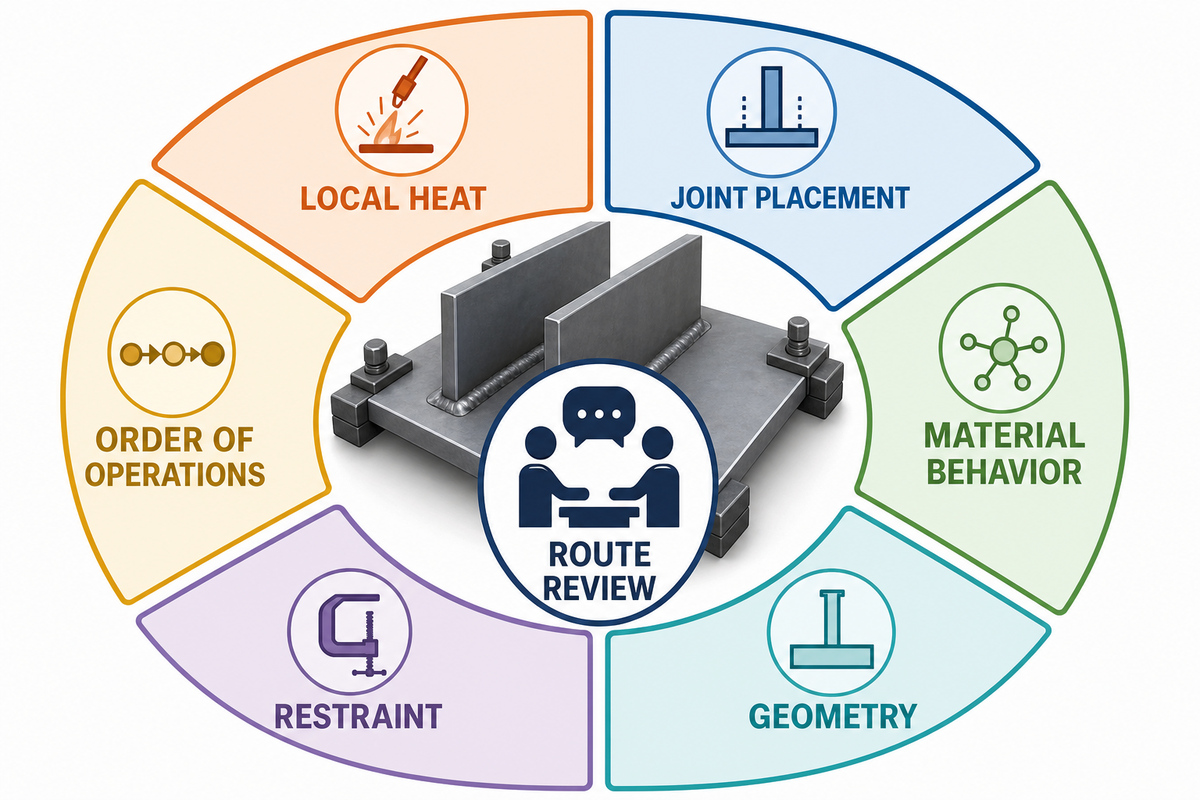
La soldadura y el mecanizado interactúan a través de la condición de la pieza, no mediante un simple eslogan. El calor localizado, la ubicación de las juntas, el comportamiento del material, la geometría, la sujeción, la liberación y el orden de las operaciones pueden cambiar lo que el proveedor necesita evaluar.
Los compradores deben describir el resultado que necesitan y las interfaces que no pueden verse comprometidas. Solicitar «control de la distorsión» sin indicar una característica funcional, una referencia, una condición o una base de aceptación obliga al proveedor a inferir el riesgo y la definición de éxito.
| Especifíquelo | No lo deje como una suposición |
|---|---|
| Revisión vigente del plano o modelo y sistema de unidades | Qué archivo adjunto o correo electrónico sustituye a otro |
| Ubicaciones de las juntas, caras visibles y restricciones de acceso cuando corresponda | Si se permite sujetar, mecanizar, esmerilar o recubrir una superficie |
| Interfaces funcionales, referencias críticas y características correspondientes a la etapa de entrega | Si una dimensión nominal es una referencia para el armado y ajuste o un requisito de aceptación final |
| Puntos de espera, solicitudes de inspección o aprobaciones del cliente conocidos | Si el proveedor puede continuar cuando existe una duda sin resolver sobre el plano |
Solicite una explicación de la revisión de la ruta cuando el riesgo sea significativo. Una respuesta puede identificar una secuencia propuesta, un enfoque para el dispositivo de sujeción, una sobremedida de mecanizado, una etapa de inspección o una cuestión que requiera una decisión de ingeniería; no debe confundirse con una fórmula universal de fabricación.
Una revisión universitaria de los métodos para controlar la distorsión ofrece fundamentos técnicos sobre por qué la geometría, la sujeción y la secuencia deben formar parte de esa revisión.
Decisiones sobre material, proceso de soldadura y dispositivo de sujeción que requieren confirmación
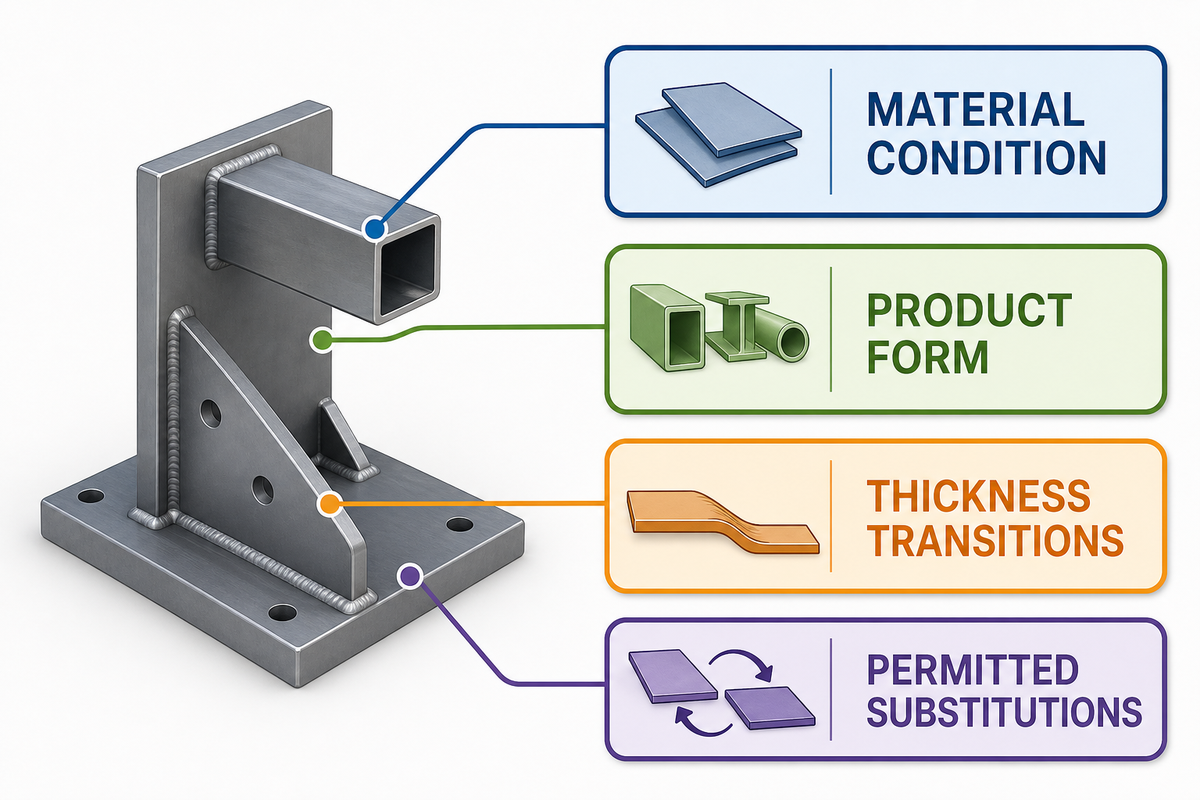
El material es más que la designación de un grado. La condición, la forma del producto, las transiciones de espesor, los recubrimientos existentes, el entorno corrosivo, las expectativas de acabado y las sustituciones permitidas pueden cambiar tanto la ruta como lo que debe verificarse.
De igual forma, el comprador puede indicar un requisito de la junta, la apariencia esperada de la soldadura visible, una restricción funcional o una norma obligatoria sin intentar redactar todo el procedimiento del taller. Si se requiere una especificación del procedimiento, un registro de calificación, una restricción de consumibles, un tratamiento térmico o una calificación del soldador, indique la base aplicable y solicítelo solo donde corresponda.
Una incompatibilidad del material o del dispositivo de sujeción puede generar un riesgo de retrabajo porque un cambio aparentemente menor podría modificar el acceso a la junta, la sobremedida de mecanizado o la condición de inspección final; por ello, identifique cualquier trabajo calificado o base de ensayos no destructivos que sea obligatoria, en vez de suponer que todos los componentes necesitan los mismos registros.
Cuando se dispone de un modelo CAD controlado, este puede aclarar las interfaces funcionales y las limitaciones de los equipos de mecanizado para las piezas mecanizadas; el plano sigue siendo el requisito que rige.
Para una solicitud de cotización de fabricación metalmecánica de precisión que abarque conjuntos soldados y piezas mecanizadas, adjunte el modelo CAD controlado cuando ayude a aclarar una interfaz funcional, pero mantenga el plano indicado como requisito rector.
Preguntas que conviene resolver antes de autorizar la producción
- ¿Están claros el grado y la condición del material, así como la ruta de sustitución permitida?
- ¿Están indicadas las necesidades de acabado, enmascarado, conexión de retorno, sellado o protección de superficies?
- ¿Puede el dispositivo de sujeción propuesto tocar, inmovilizar o posicionar las superficies que aparecen en el plano?
- ¿El trabajo requiere un procedimiento aprobado por el cliente, un registro, un punto de presencia obligatoria o una calificación especial del personal?
Cuando se aplica un marco formal de calidad, el alcance publicado de ISO 3834 es una referencia útil; los requisitos aplicables del proyecto siguen determinando la evidencia necesaria.
Evidencia de inspección: coordine los requisitos visuales, dimensionales y de ensayos no destructivos aplicables
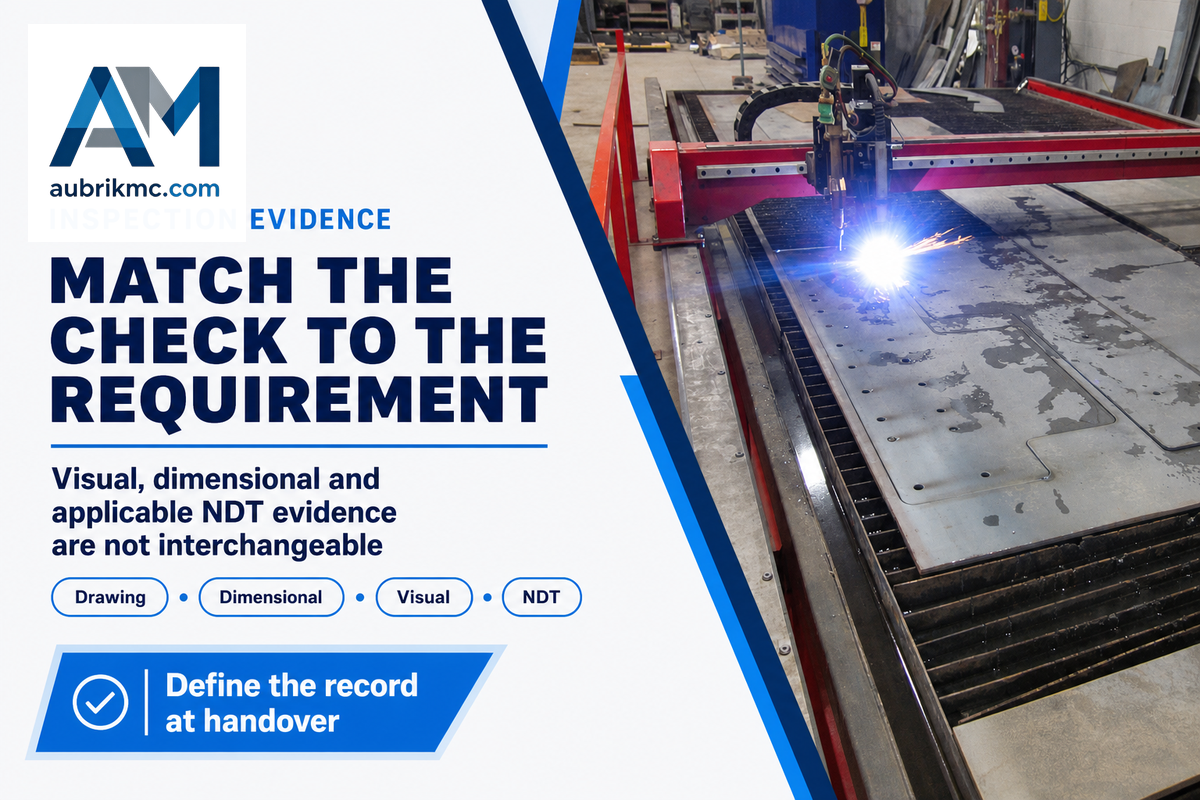
La revisión visual, la verificación dimensional y los ensayos no destructivos no son intercambiables. Cada uno responde una pregunta de aceptación diferente, y el requisito de compra debe indicar qué pregunta es importante, qué referencia la rige y qué registro se espera al momento de la entrega.
La planificación de la inspección debe comenzar antes del primer arco o montaje, no solo cuando el componente terminado ya está sobre una mesa. De manera similar, las directrices generales de inspección de National Board plantean una revisión temprana del paquete de trabajo, los materiales, la preparación de juntas, los procedimientos y calificaciones aplicables, el tratamiento térmico, los ensayos no destructivos y los requisitos del proyecto; la lista exacta para el trabajo de un comprador dependerá de las circunstancias.
«La inspección comienza antes del primer arco».
¿Qué evidencia de inspección debe incluirse en la orden de compra?
Comience con el plano controlado y los criterios de aceptación aplicables al componente solicitado. Después, indique la evidencia que realmente se requiere: trazabilidad del material o lote cuando esté especificada, resultados dimensionales de las características identificadas, registros de aceptación visual, informes de ensayos no destructivos solicitados, registros obligatorios de procedimientos o personal, y cualquier formato, revisión o condición de liberación del comprador.
No convierta esa lista en documentación automática para todos los pedidos. Los trabajos regidos por códigos, críticos para la seguridad, regulados o controlados por el cliente pueden exigir un paquete más amplio definido por la base que los rige, mientras que un componente fabricado convencional puede necesitar un conjunto de registros mucho más reducido y claramente acordado.
Para conocer el contexto actual del sector de la inspección, consulte el recurso Inspection Trends de AWS; este no sustituye un plan de inspección aplicable.
Paquete de 6 documentos para preparar una solicitud de cotización
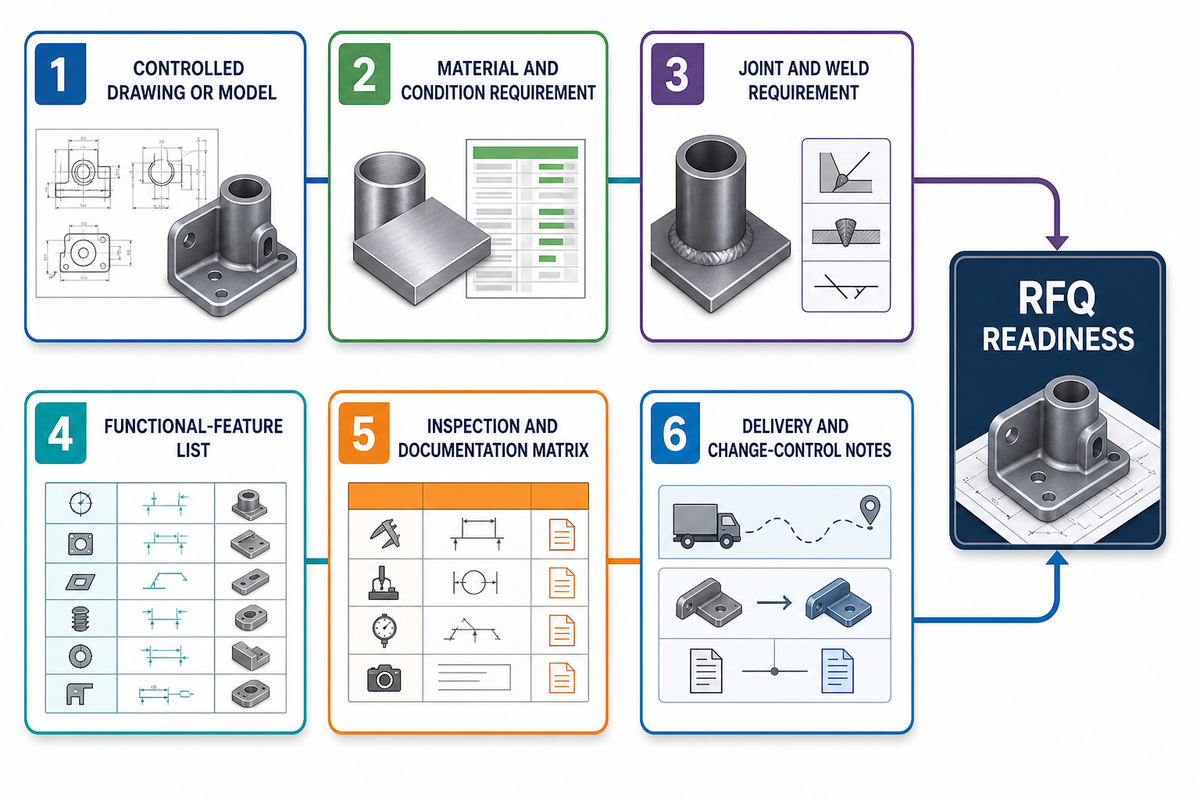
Este paquete básico ayuda al comprador a solicitar una cotización técnicamente útil. No es un expediente universal de cumplimiento, por lo que cada elemento debe ampliarse, reducirse o hacerse más específico cuando así lo exijan el producto, el contrato, el cliente o el requisito aplicable.
| Elemento básico | Lo que debe resolver |
|---|---|
| 1. Plano o modelo controlado | Identidad de la pieza, revisión, unidades, dimensiones, notas y archivo que rige en caso de discrepancias entre documentos. |
| 2. Requisito de material y condición | Grado, forma, condición, acabado, alternativas aprobadas y cualquier expectativa de trazabilidad cuando corresponda. |
| 3. Requisito de junta y soldadura | Ubicación de las juntas, necesidades de apariencia o limpieza, restricciones de acceso y cualquier requisito rector especificado. |
| 4. Lista de características funcionales | Interfaces correspondientes a la etapa de entrega, referencias críticas, caras de mecanizado, barrenos, características de sellado o superficies protegidas. |
| 5. Matriz de inspección y documentación | Qué características, informes, puntos de presencia obligatoria, referencias de aceptación y formatos se requieren. |
| 6. Notas de entrega y control de cambios | Cantidad, embalaje, destino, fecha requerida, reglas de entrega parcial, ruta de aprobación y forma de autorizar los cambios. |
Amplíe el paquete cuando corresponda: para trabajos que impliquen consecuencias graves, use el contrato, código, autoridad y proceso de aprobación de ingeniería aplicables para identificar los procedimientos calificados, registros de procedimientos, calificaciones del personal, calificaciones de inspección o ensayos no destructivos, trazabilidad y registros finales que sean obligatorios. No suponga que mencionar estos elementos en una guía general los hace obligatorios para todos los componentes.
Para consultar una referencia formal de calidad de la soldadura por fusión, vea el alcance publicado de ISO 3834; sirve como referencia, no como una lista universal de documentación.
Use una tabla de evaluación inicial de la solicitud de cotización antes de que los archivos salgan de ingeniería
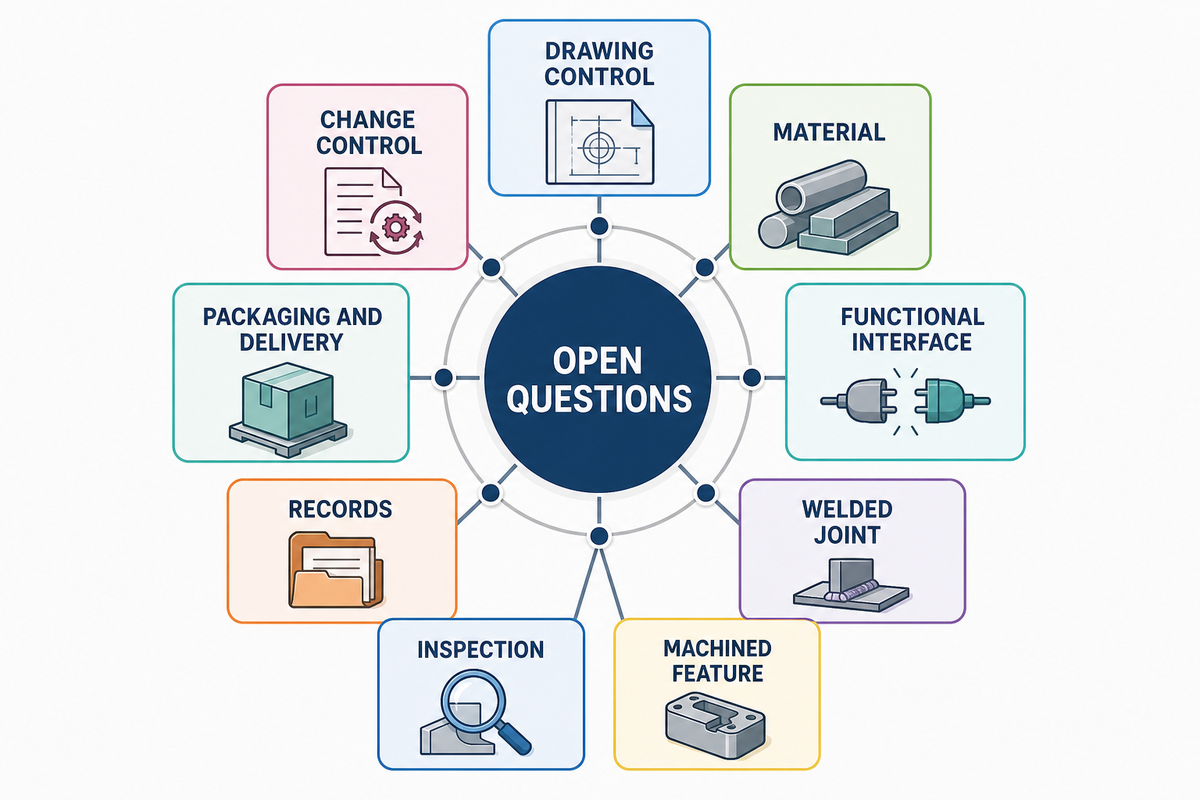
Los distintos tipos de requisitos generan preguntas diferentes. Una tabla breve de evaluación inicial mantiene la conversación específica: compras puede ver qué se debe adquirir, ingeniería puede ver qué debe decidirse y el proveedor puede ver qué puntos están definidos y cuáles siguen pendientes.
También permite que la primera solicitud de cotización sea transparente. El comprador puede solicitar una revisión mientras una cuestión siga pendiente, siempre que se identifique como una suposición o una decisión necesaria antes de producir, en vez de presentarla como un requisito definitivo.
| Tipo de requisito | Pregunta que debe resolverse o señalarse | Responsable de la siguiente respuesta |
|---|---|---|
| Control del plano | ¿Qué archivo y revisión rigen el pedido? | Comprador o autoridad de diseño |
| Material | ¿Qué grado, condición, regla de sustitución y evidencia se aplican? | Comprador con aportes de ingeniería |
| Interfaz funcional | ¿Qué característica debe funcionar al momento de la entrega y con qué condición de acoplamiento? | Autoridad de diseño |
| Junta soldada | ¿Qué ubicación, acceso, apariencia o requisito rector está definido? | Revisión de ingeniería y del proveedor |
| Característica mecanizada | ¿Qué superficie, barreno o patrón es definitivo y cuándo se evalúa? | Revisión de ingeniería y del proveedor |
| Inspección | ¿Qué referencia de aceptación, informe y punto de espera se requieren realmente? | Responsable de calidad o cliente |
| Registros | ¿Qué registros de trazabilidad, procedimientos, calificaciones o informes se aplican a este trabajo? | Autoridad rectora del proyecto |
| Embalaje y entrega | ¿Cómo se protegerán, identificarán y liberarán las interfaces terminadas? | Compras y logística |
| Control de cambios | ¿Qué sucede si cambia una suposición sobre el plano, el material, la cantidad o la ruta? | Comprador y proveedor en conjunto |
No todas las filas necesitan una nota técnica extensa. El valor radica en hacer visible un campo vacío antes de que se convierta en una interpretación en el taller, un desacuerdo durante la inspección o una orden de cambio después de comprometer el material.
El análisis de tolerancias de conjuntos soldados sirve como referencia para comprender por qué las dudas pendientes sobre la ruta y la inspección deben hacerse visibles desde el principio.
Factores de costo y plazo de entrega sin una tabla de tarifas genérica
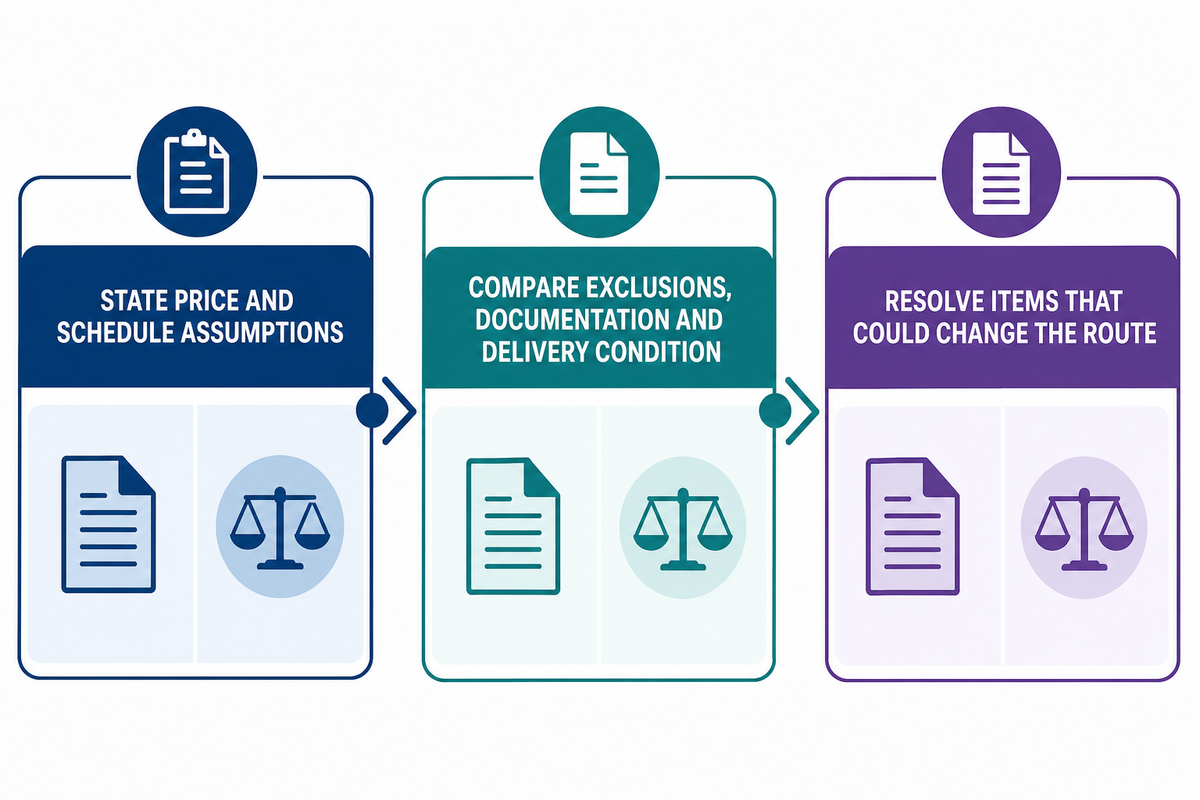
Una cotización útil se elabora a partir de un alcance definido, no de una tabla genérica de tarifas de taller. Las aclaraciones de ingeniería, la preparación, la complejidad de la sujeción de la pieza o del dispositivo de sujeción, la manipulación, el acceso para mecanizado, la inspección, la documentación, la disponibilidad del material, los procesos externos, el tamaño del lote, el embalaje y las condiciones de entrega pueden cambiar la ruta que evalúa el proveedor.
En las series de producción que combinan fabricación de chapa metálica, soldadura y mecanizado, la conversación sobre costos también depende de dónde se sitúe cada traspaso y punto de espera para inspección dentro de la ruta.
Por eso, 2 planos con dimensiones similares pueden generar preguntas muy diferentes. Uno puede tener una revisión pendiente, una interfaz crítica posterior a la soldadura, un formato de informe obligatorio o un lote pequeño que cambie la distribución de los costos de preparación; el otro puede corresponder a una pieza repetitiva consolidada con supuestos estables.
Un alcance sin resolver genera un riesgo para la adquisición porque una condición pendiente del dispositivo de sujeción, de los informes o del embalaje puede cambiar la ruta CNC una vez iniciada la planificación; por ello, incluya los criterios de aceptación y las suposiciones aplicables junto con la solicitud de cotización para que el proveedor explique cualquier diferencia.
- Pida a cada proveedor que indique las suposiciones en las que se basan el precio y el plazo.
- Compare las exclusiones, los puntos pendientes, la documentación y la condición de entrega antes de comparar el importe final.
- Resuelva los elementos que puedan modificar la ruta antes de considerar equivalentes las cotizaciones.
Esta guía omite deliberadamente cualquier tarifa genérica por hora, ahorro prometido o plazo de entrega específico. Esas cifras dependen de la pieza, las condiciones comerciales, la capacidad, el mercado de materiales, el alcance de calidad y el programa vigente del proveedor.
Para consultar una perspectiva de investigación que no se basa en tablas de tarifas, vea la publicación de NIST sobre diseño orientado al costo; aun así, esta guía evita extraer de ella conclusiones sobre precios.
Cuándo pasar a una conversación sobre servicios integrados
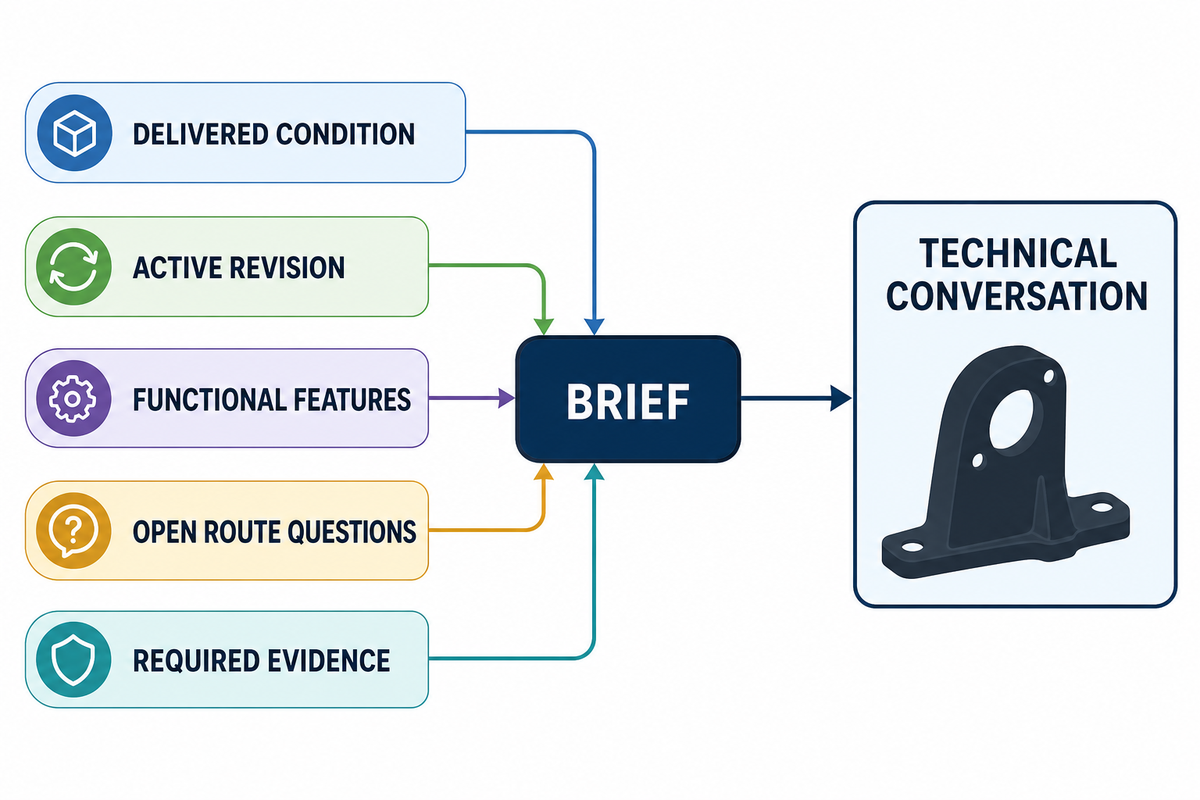
Pase a esta etapa cuando el comprador pueda describir la condición de entrega, la revisión vigente, las características funcionales, las dudas pendientes sobre la ruta de fabricación y la evidencia requerida. Esto permite una conversación técnica productiva sin duplicar la función comercial de una página de servicios y, al mismo tiempo, proporciona al proveedor la información necesaria para aclarar interfaces, supuestos y cuestiones técnicas antes de analizar sus capacidades o una cotización.
Este paso resulta útil cuando los supuestos no declarados, las ambigüedades del plano o los criterios de aceptación sin resolver podrían generar retrabajo después de emitir la solicitud de cotización, mientras que mantener separada la parte comercial centra la conversación en el alcance y la evidencia técnica, en lugar de convertirla en una promesa de capacidad.
Para analizar el alcance del producto una vez preparado el documento de especificaciones, consulte el alcance de las soluciones de maquinado CNC y soldadura de metales de Aubrik. Lleve consigo las preguntas pendientes; una cotización es más sólida cuando estas están a la vista y no ocultas en una cadena de archivos adjuntos.
Si el proyecto requiere una referencia formal del sistema de calidad, consulte el alcance publicado de ISO 3834; esta guía para compradores no prescribe ningún resultado respecto a la calificación del proveedor.
Preguntas frecuentes
¿Existe la soldadura CNC?
Soldadura CNC es una expresión imprecisa, por lo que debe aclararse el significado previsto antes de solicitar una cotización. Los compradores pueden referirse a piezas maquinadas por CNC que se soldarán, equipos de soldadura automatizada, un conjunto fabricado que requiere maquinado de acabado o un proveedor que gestione varias operaciones. Especifique el componente en su condición de entrega y los límites del proceso, en lugar de depender de una expresión abreviada. Así se evita que las cotizaciones describan trabajos diferentes con la misma denominación.
¿Debe maquinarse una pieza soldada después de la soldadura?
A veces, en particular cuando una interfaz en la condición de entrega, una característica de localización, un barreno o una cara necesitan acabarse después de la fabricación. No existe una regla universal, porque la ruta depende del material, la geometría, las juntas, la sujeción y liberación, el acceso, el tratamiento térmico, la posibilidad de reparación, la tolerancia funcional y los requisitos de aceptación. Solicite una revisión de la ruta y mantenga claro el requisito final. La respuesta del proveedor debe exponer sus supuestos y cualquier decisión de ingeniería aún pendiente. Para una pieza compleja, incluya un croquis conciso de la aplicación o una nota sobre la pieza acoplada, de modo que la revisión tenga más contexto que una simple serie de dimensiones. Si una característica cumple posteriormente una función de sellado, alineación o ensamble, indique esa función y muestre la referencia de acoplamiento cuando sea posible. Esto proporciona al revisor un motivo para formular la pregunta correcta, en lugar de limitarse a elegir un orden de operaciones conocido.
¿Qué información debe incluir una solicitud de cotización de piezas soldadas y maquinadas?
Como mínimo, incluya el plano o modelo vigente, la especificación del material, la cantidad, la condición de entrega, las características funcionales, las notas sobre juntas o acabados, las expectativas de inspección, la documentación requerida, el embalaje, el destino y la fecha objetivo. Identifique también las incógnitas y las aprobaciones necesarias. Para trabajos regidos por códigos o cuyas fallas podrían tener consecuencias graves, agregue los requisitos específicos del proyecto que controlen los procedimientos, las calificaciones, las pruebas, la trazabilidad y los registros finales. Si el requisito aún está en desarrollo, solicite al proveedor que enumere el supuesto en lugar de considerarlo una inclusión implícita. De este modo, el proveedor podrá distinguir entre una estimación del alcance conocido y una cotización final que dependa de decisiones aprobadas. Mantenga las instrucciones de control de cambios junto a la referencia del plano, especialmente cuando un modelo revisado, una sustitución de material, un formato de inspección o un cambio de cantidad puedan modificar la ruta. Cuando la información dependa de más de un departamento, identifique quién tiene autoridad para cerrar cada punto pendiente y qué registro comunicará la liberación.
Tendencia ahora